

Main decision tree
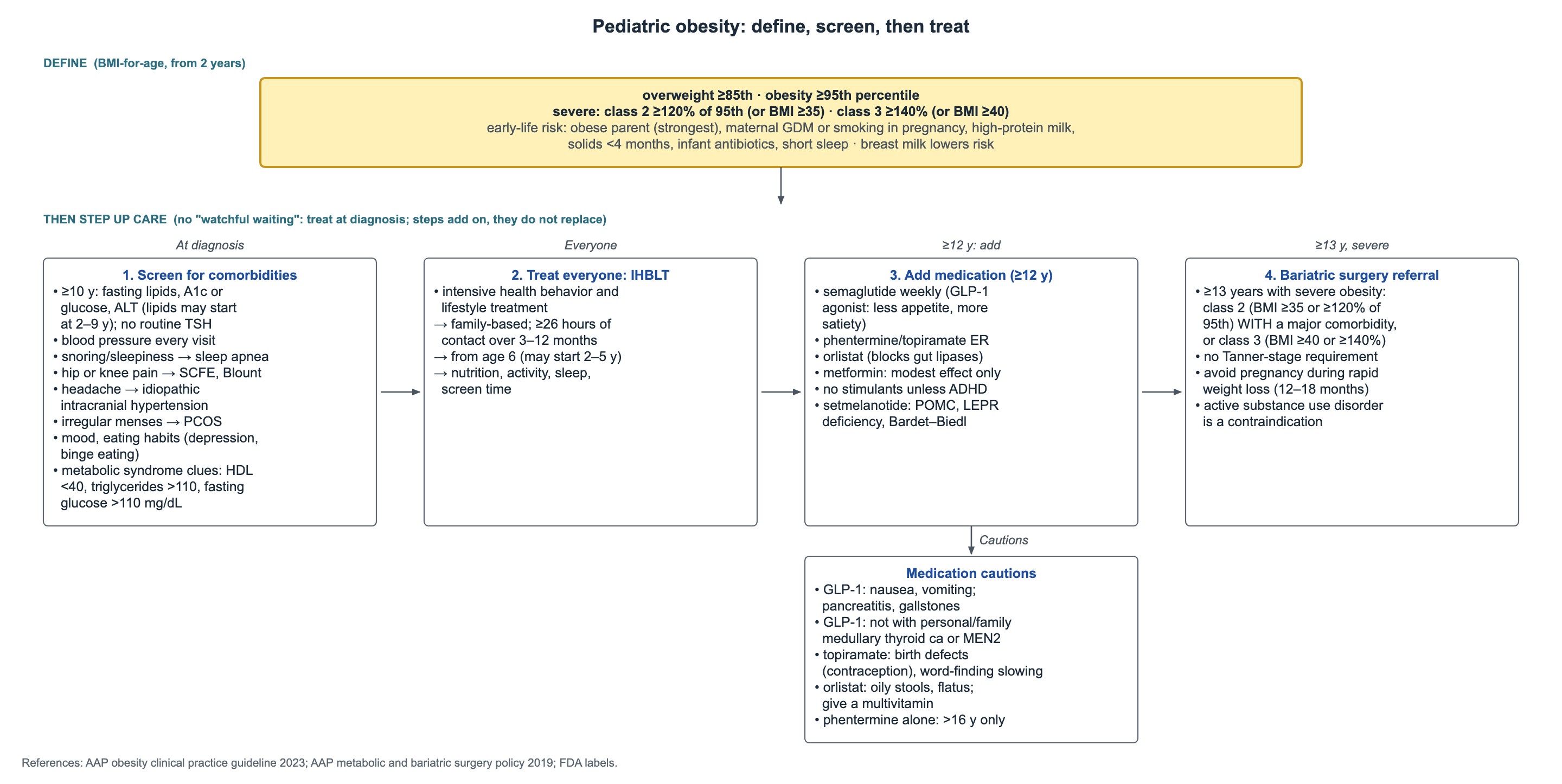
Pediatric obesity: define, screen, then treat
Key points
- BMI-for-age is used from age 2: overweight ≥85th to <95th percentile; obesity ≥95th percentile.
- Class 2 severe obesity: ≥120% of the 95th percentile or BMI ≥35; class 3: ≥140% or BMI ≥40.
- Age 10 and over with obesity: fasting lipids, a glucose test (HbA1c, fasting glucose or OGTT) and ALT; lipids may be checked from age 2–9.
- First-line treatment for all: intensive health behavior and lifestyle treatment (IHBLT), ≥26 contact hours over 3–12 months.
- Offer weight-loss medicine as an add-on from age 12; phentermine alone only over 16 years.
- Refer for metabolic and bariatric surgery from age 13 with class 3 obesity, or class 2 with a significant comorbidity.
- Obesity with falling height velocity is an endocrine red flag; common obesity makes children normal height or tall.
Define obesity and know the risk factors
Measure BMI and plot BMI-for-age on the CDC chart at every well visit from age 2. For severe obesity use the percentage of the 95th percentile, because ordinary percentiles bunch together at the top of the chart.
- Strongest early risk factor: parental obesity; maternal BMI has the stronger link.
- Also raise risk: maternal gestational diabetes, smoking in pregnancy, high-protein infant formula, solids before 4 months, antibiotics in infancy and short sleep.
- Breast milk feeding is linked to lower later risk.
- Obesity in the preschool years tends to persist into adulthood.
| Class | BMI-for-age |
|---|---|
| Overweight | ≥85th to <95th percentile |
| Obesity (class 1) | ≥95th percentile |
| Class 2 severe obesity | ≥120% to <140% of the 95th percentile, or BMI ≥35 |
| Class 3 severe obesity | ≥140% of the 95th percentile, or BMI ≥40 |
Screen for comorbidities
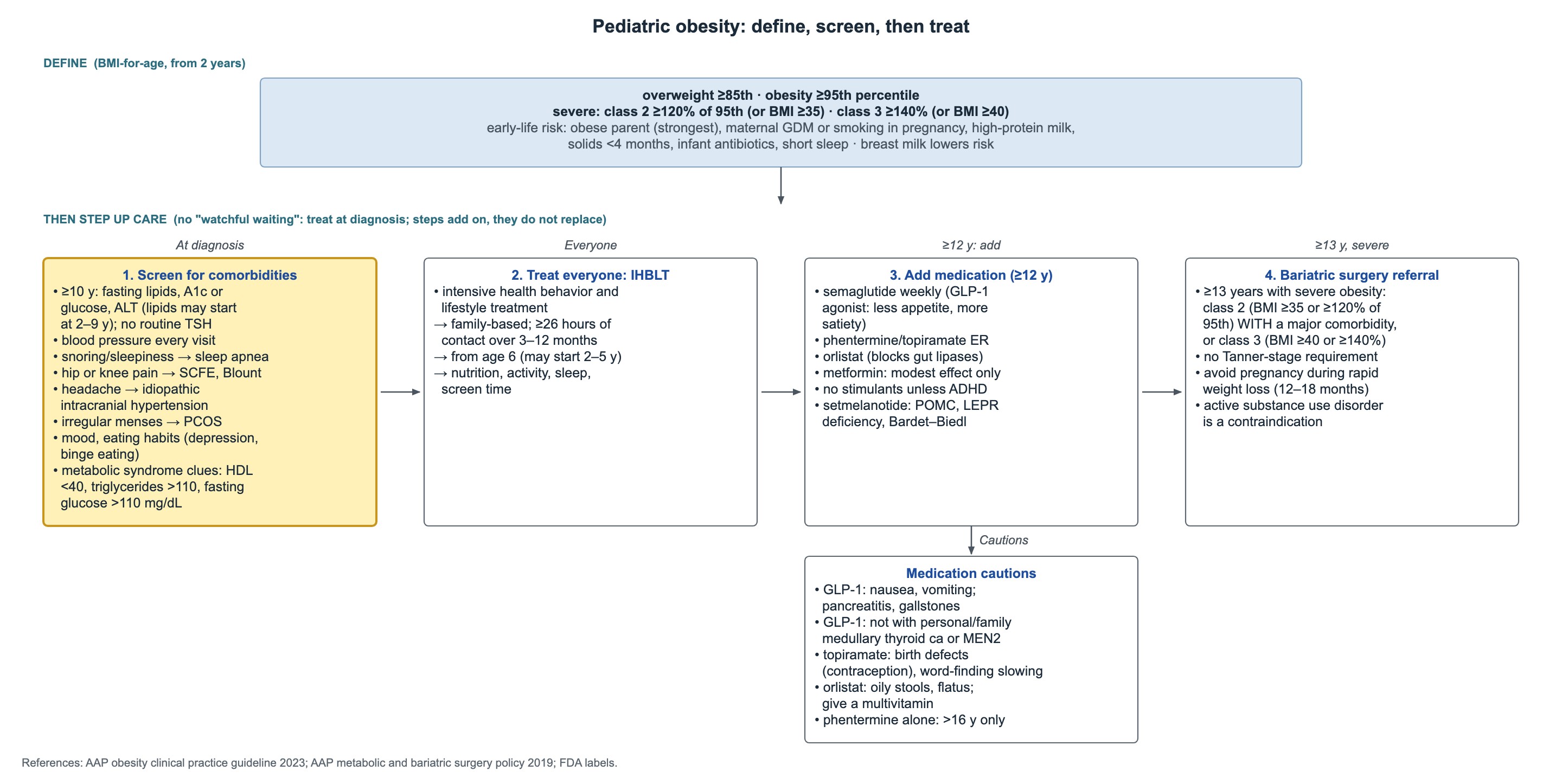
Look for comorbidities at diagnosis. Children 10 years and older with obesity get fasting lipids, a glucose test and ALT. Those 2–9 years with obesity may have a lipid panel. All children also follow the NHLBI universal lipid screen at 9–11 and 17–21 years.
- Do not check thyroid function in isolated obesity with normal growth.
- Metabolic syndrome in teens raises the risk of MASLD, type 2 diabetes, kidney and cardiovascular disease.
- Cook 2003 adolescent metabolic syndrome research criteria: 3 or more of waist ≥90th percentile, triglycerides ≥110 mg/dL, HDL ≤40 mg/dL, BP ≥90th percentile, fasting glucose ≥110 mg/dL.
| Comorbidity | Screen or clue |
|---|---|
| Prediabetes and type 2 diabetes | HbA1c, fasting glucose or OGTT; acanthosis nigricans signals insulin resistance |
| Dyslipidemia | Fasting lipid panel |
| MASLD (steatotic liver disease) | ALT; upper limits 26 U/L for boys and 22 U/L for girls |
| Hypertension | Blood pressure at every visit from age 3 |
| Obstructive sleep apnea | Snoring and daytime sleepiness, such as dozing in class → sleep study |
| SCFE and Blount disease | Hip or knee pain, or a limp; a preteen with knee pain needs a hip exam |
| Idiopathic intracranial hypertension | Headache, visual changes, papilledema |
| PCOS | Irregular menses, hirsutism, acne |
| Depression, binge eating | Ask about mood and eating behaviors |
First-line treatment: IHBLT
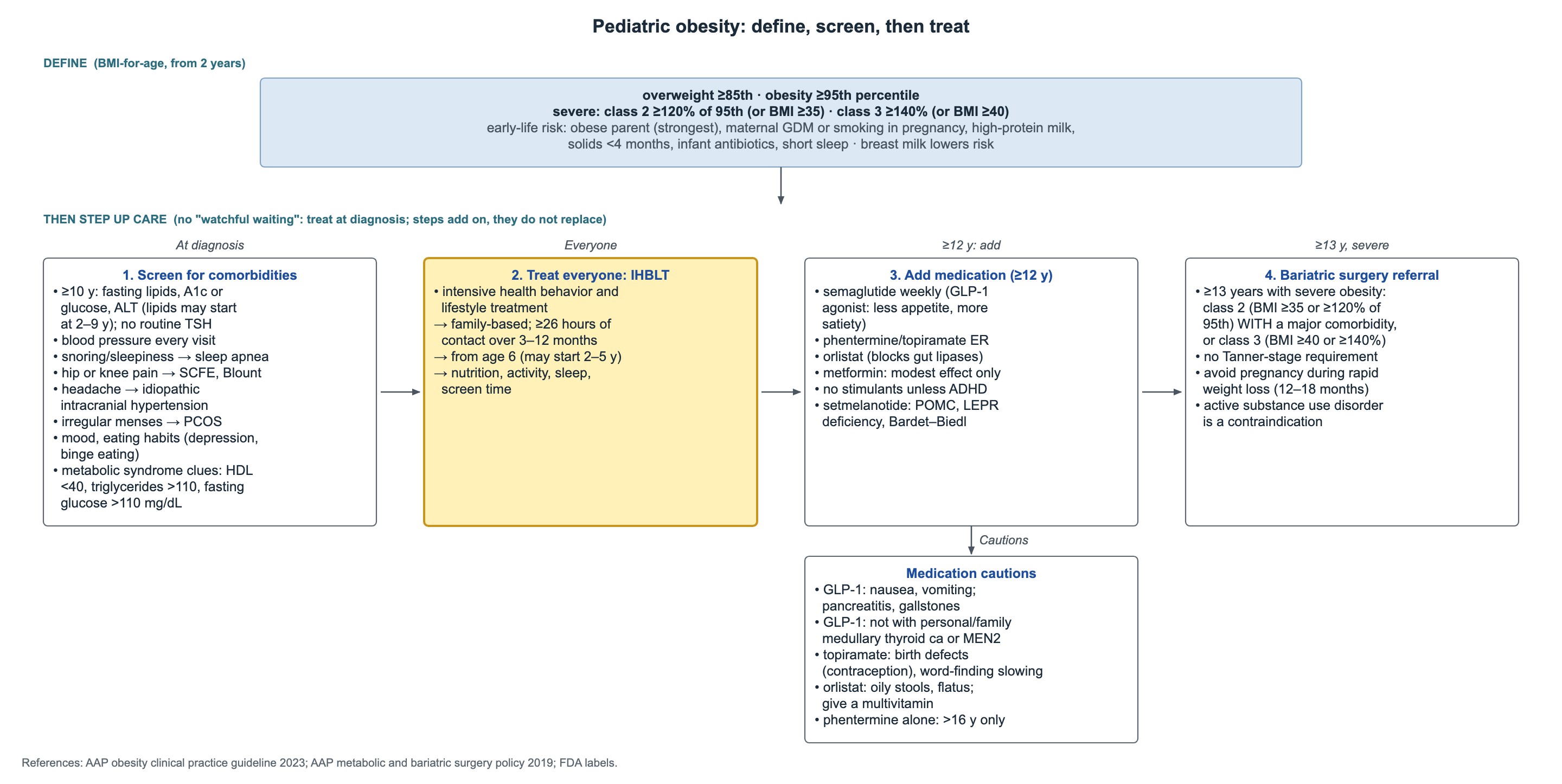
- Treat at diagnosis; there is no watchful waiting.
- Intensive health behavior and lifestyle treatment is family-based, with 26 or more hours of face-to-face contact over 3–12 months.
- Recommended from age 6 and may start at 2–5 years.
- It covers nutrition, physical activity, sleep and screen time.
- Medicine and surgery add on to IHBLT; they do not replace it.
Weight-loss medicines from age 12
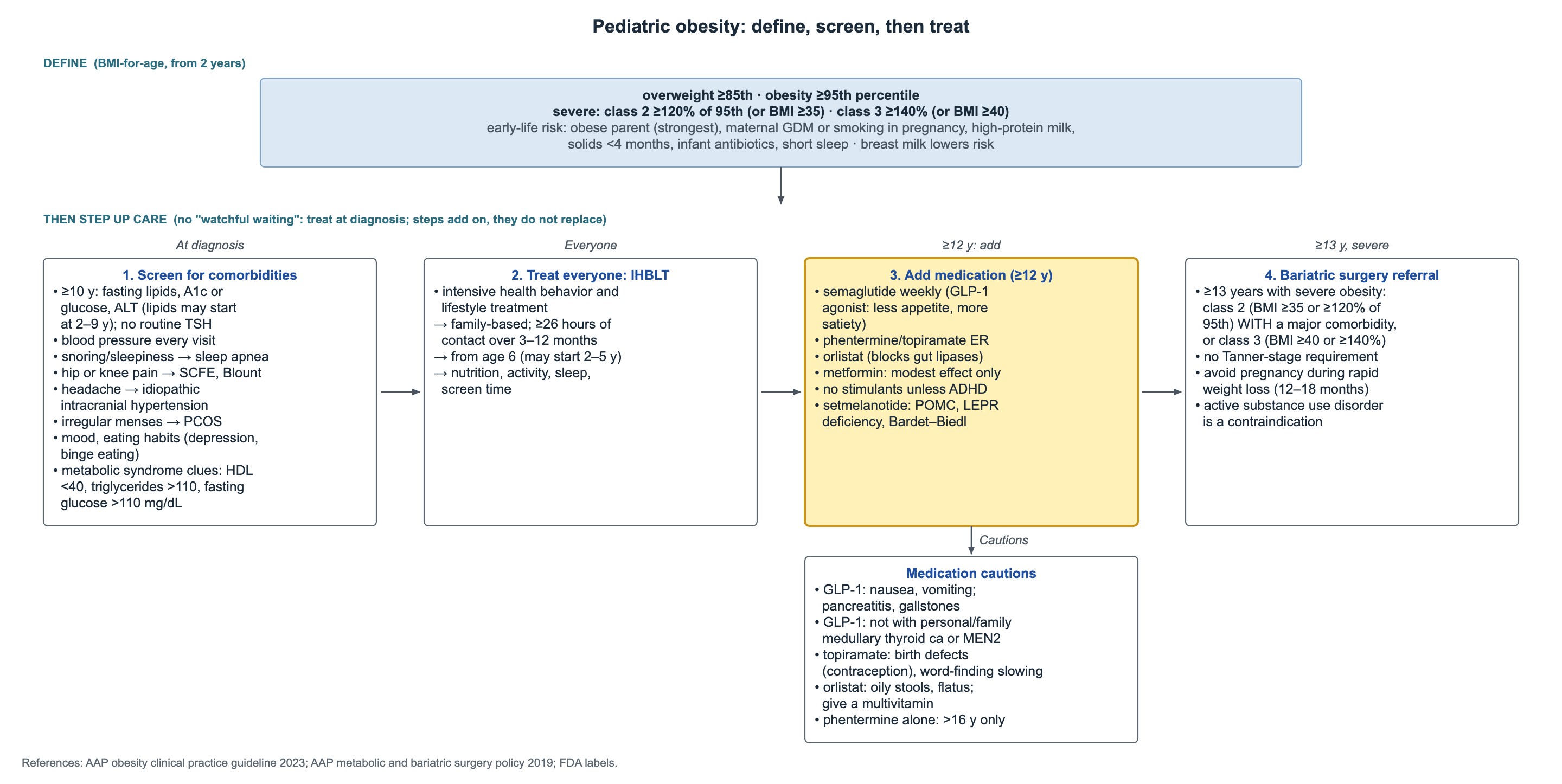
Stimulants for ADHD are not used to treat obesity in children who do not have ADHD.
| Medicine | How it works | Main cautions |
|---|---|---|
| Semaglutide (weekly) or liraglutide (daily): GLP-1 receptor agonists | Less appetite, more satiety, slower stomach emptying | Nausea and vomiting; pancreatitis and gallbladder disease; contraindicated with a personal or family history of medullary thyroid cancer or MEN2 |
| Phentermine/topiramate ER | Appetite suppression | Topiramate causes birth defects (needs reliable contraception) and slowed thinking or word-finding trouble |
| Orlistat | Blocks gut lipases, so less fat is absorbed | Oily stools and flatulence; give a multivitamin |
| Phentermine alone | Appetite suppression | Approved only over 16 years, short term |
| Metformin | Improves insulin sensitivity | Only a modest effect on weight |
| Setmelanotide | MC4R agonist | Only for POMC, PCSK1 or leptin receptor deficiency and Bardet–Biedl syndrome |
Medication safety
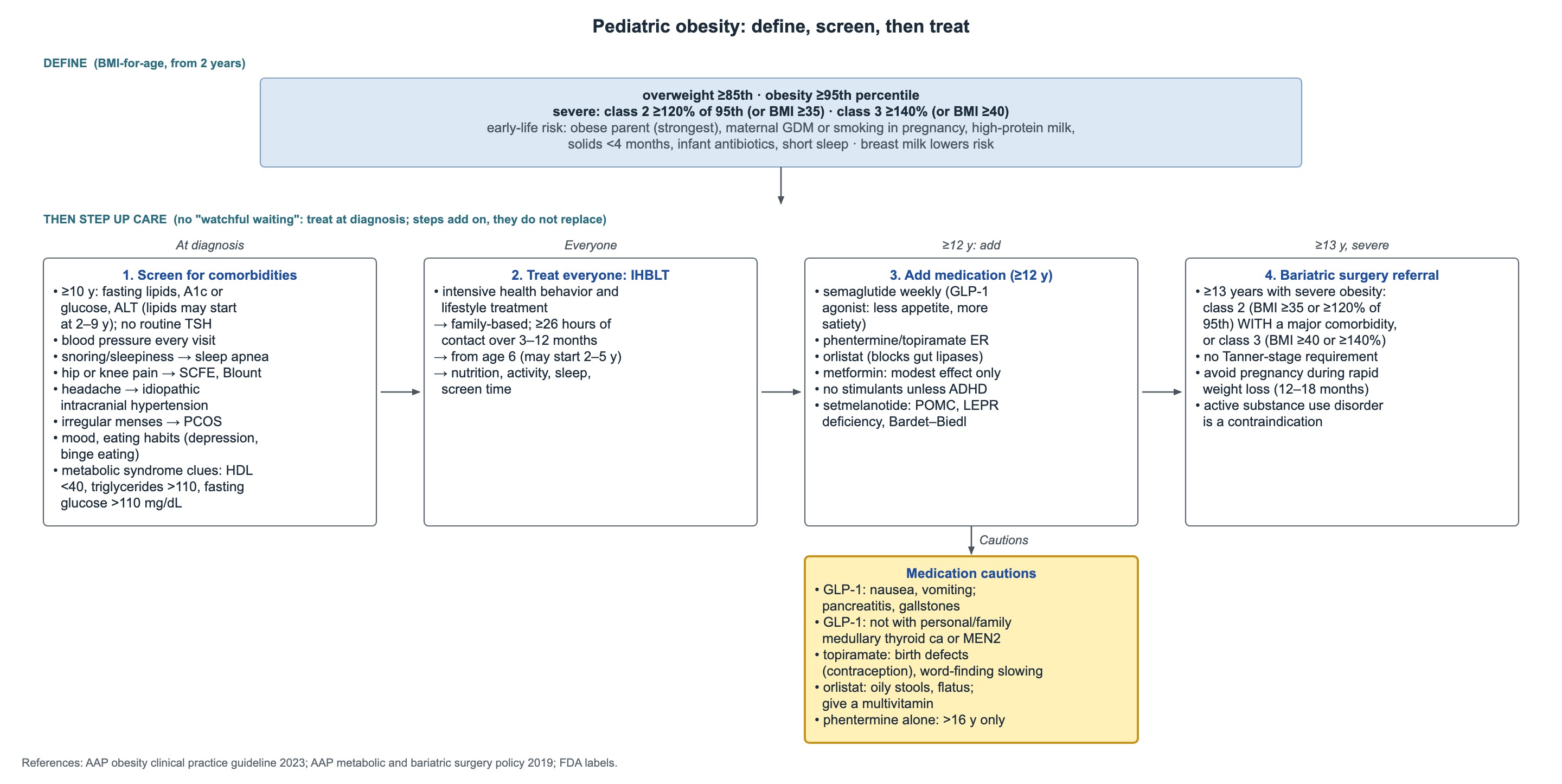
- GLP-1 receptor agonists: warn about severe abdominal pain (pancreatitis) and gallstones.
- GLP-1 receptor agonists are not given with a personal or family history of medullary thyroid carcinoma or MEN2.
- Topiramate: pregnancy test and contraception; counsel on cognitive slowing.
- Orlistat: steatorrhea limits use; fat-soluble vitamins need replacing.
- Phentermine alone: older than 16 years only.
Metabolic and bariatric surgery
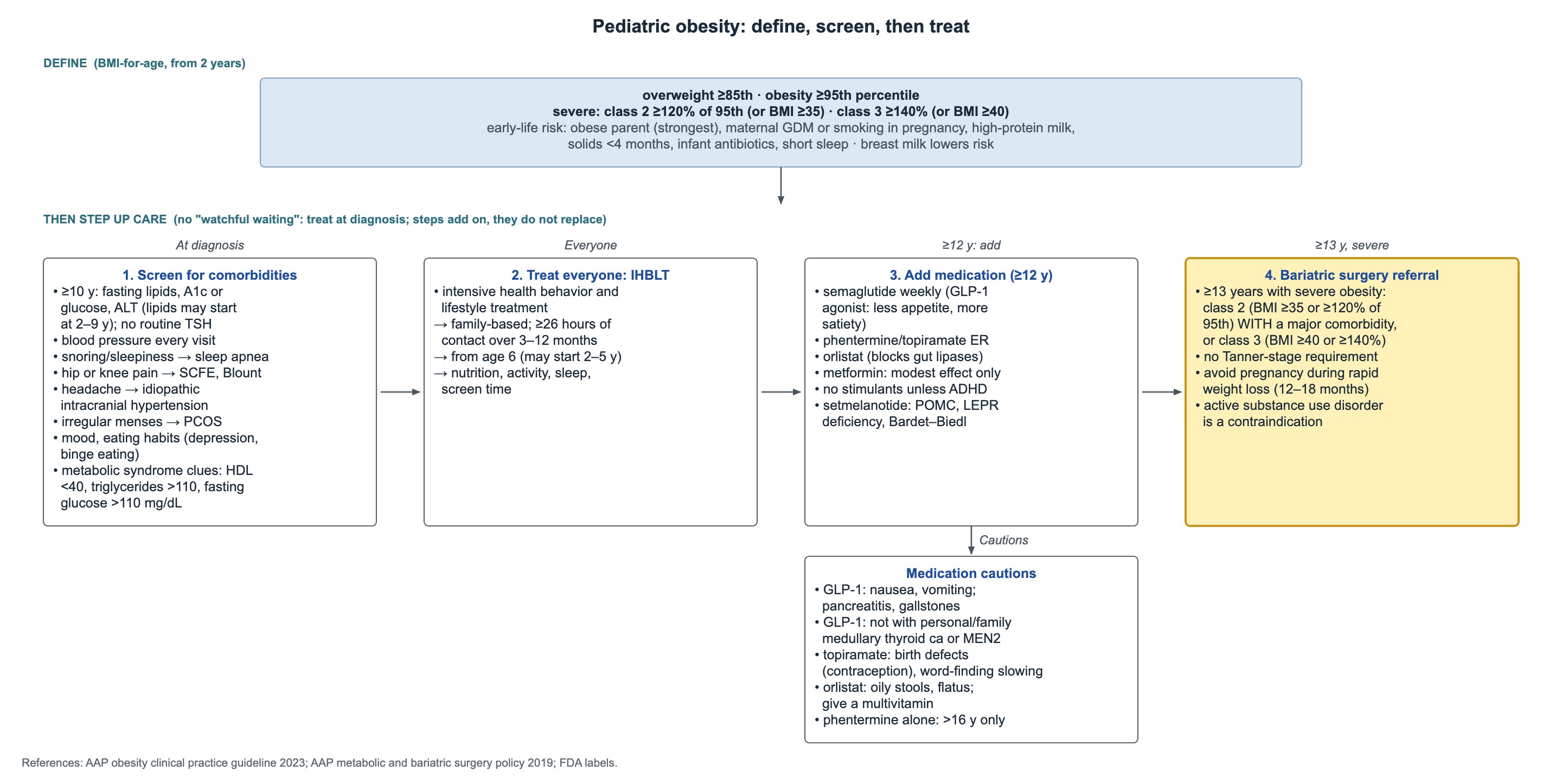
- Offer referral from age 13 with severe obesity.
- Class 3 (BMI ≥40 or ≥140% of the 95th percentile) qualifies even without a major comorbidity.
- Class 2 (BMI ≥35 or ≥120% of the 95th percentile) qualifies with a significant comorbidity, such as type 2 diabetes, sleep apnea, MASH, IIH, Blount disease, SCFE or hypertension.
- No Tanner stage or bone-age requirement.
- Avoid pregnancy during the rapid weight loss of the first 12–18 months after surgery.
- An active substance use disorder is a contraindication.
Endocrine and genetic causes
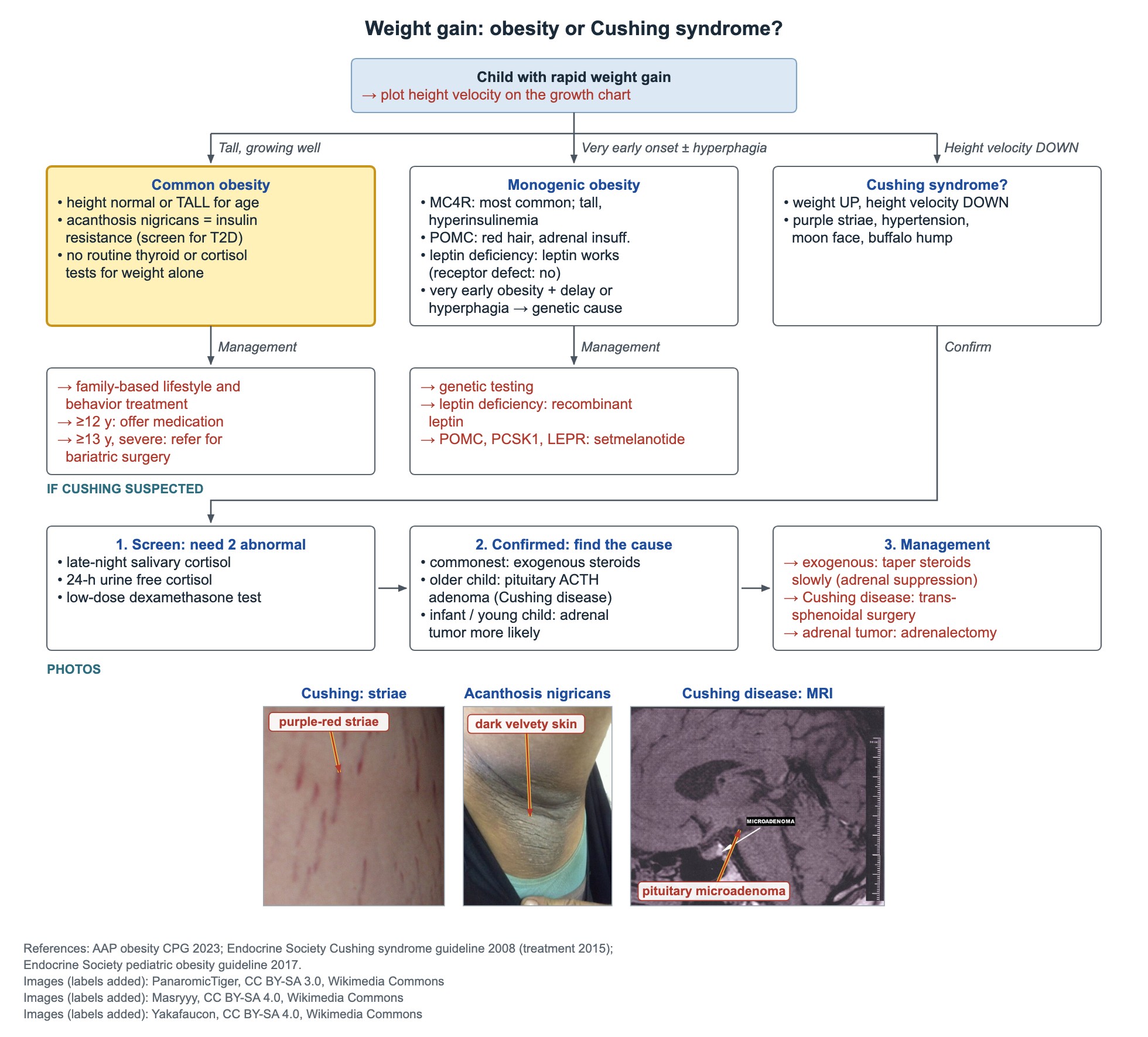
Common (exogenous) obesity speeds up linear growth, so these children are of normal or tall height for age. Rapid weight gain with a falling height velocity points to an endocrine cause such as hypothyroidism or Cushing syndrome.
| Pattern | Think of |
|---|---|
| Weight up, height velocity down, purple striae, hypertension | Cushing syndrome: screen with late-night salivary cortisol, 24-hour urine free cortisol or low-dose dexamethasone test |
| Onset in infancy with hyperphagia or developmental delay | Genetic or hypothalamic (syndromic) obesity → genetic testing |
| Early severe obesity, tall, high insulin | MC4R deficiency, the most common monogenic cause |
| Early obesity, red hair, adrenal insufficiency | POMC deficiency |
| Early severe obesity with very low leptin | Congenital leptin deficiency: responds to leptin therapy (leptin receptor deficiency does not) |
Common questions
What BMI percentile is obesity in children?
A BMI at or above the 95th percentile for age and sex. Overweight is the 85th to below the 95th percentile.
At what age can children take weight-loss medicine?
The AAP advises offering medicine as an add-on to lifestyle treatment from age 12 in children with obesity.
When can a teenager have bariatric surgery?
Referral is offered from age 13 for class 3 obesity, or class 2 obesity with a significant comorbidity. No Tanner stage is required.
Study this topic
Sources
- AAP 2023: Clinical practice guideline for the evaluation and treatment of children and adolescents with obesity (Pediatrics)
- NHLBI 2011: Integrated guidelines for cardiovascular health and risk reduction in children and adolescents (Pediatrics)
- NASPGHAN 2017: Clinical practice guideline for nonalcoholic fatty liver disease in children (JPGN)
- AAP 2019: Pediatric metabolic and bariatric surgery (Pediatrics)
- CDC: BMI for children and teens
Written for Pedemy in our own words from the sources above; checked November 2026. For education only, not medical advice; check doses and local protocols before treating a patient. Pedemy is independent and not affiliated with or endorsed by the organizations cited.