

At a glance
- In young children, viral infections are one of the most common causes of hives.
- One welt usually fades within hours, but new ones can keep appearing for several days.
- Hives with breathing trouble, throat swelling, vomiting or fainting: epinephrine first, then 911.
- Antihistamines such as cetirizine ease the itch but never replace epinephrine.
- Hives lasting more than 6 weeks are called chronic and are rarely caused by an allergy.
- Hives are not contagious, and tests rarely help unless a food, medicine or sting is suspected.
What hives look like and what causes them
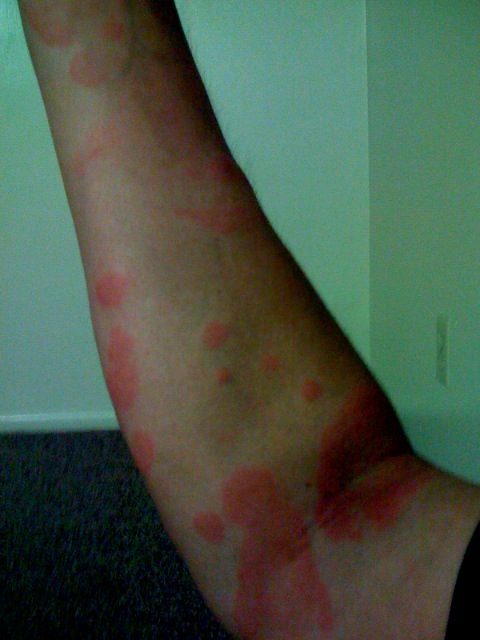
Hives can be round bumps, rings or larger swellings, and some look like a target. On light skin they are red or pink; on dark skin they may match the skin or look a little darker.
They itch more than they hurt, and the hands, feet or face may swell.
- Viral infections, often with few other signs of illness.
- Allergic reactions to foods, medicines or insect stings.
- Physical triggers such as heat, cold, pressure, exercise or stress.
- Often no cause is ever found, which is common and not a bad sign.

Easing the itch at home
- Cool compresses or a cool bath can calm itchy skin.
- Dress your child in loose, soft clothing and skip hot baths or showers.
- Mild hives that do not itch need no treatment.
- For itchy hives, ask the pediatrician about an antihistamine such as cetirizine and the dose for your child's age and weight.
- Take a photo, because hives often fade before the visit.
Calming a flare of hives
- Check the whole childBreathing, swallowing and alertness matter more than the size of the rash.
- Cool the skinCool cloth or cool bath; no hot showers.
- Medicine for the itchAntihistamine at the dose advised for your child's weight.
- Write it downTime, possible triggers, medicine given and a photo.
When hives are an emergency
Hives can be one part of anaphylaxis, a severe allergic reaction that comes on suddenly. Act at once if any of the signs below appear.
Give the prescribed epinephrine right away, then call 911. Give a second dose if there is no improvement within 5 minutes.
- Trouble breathing, wheezing, repeated coughing or a tight throat.
- Swollen lips, tongue or throat, a hoarse voice or trouble swallowing.
- Vomiting, dizziness, fainting, confusion, or pale or bluish skin.
- In babies, sudden drooling, crying that will not stop or unusual sleepiness.
Hives: when to get help
- Call 911Breathing trouble, throat or tongue swelling, vomiting or fainting: give epinephrine first.
- Get care right awaySwelling of the face, lips or eyes without breathing problems; stay with your child.
- Call the doctorHives that return for weeks, wake your child at night or do not settle with medicine.
- Home careItchy welts in a child who is breathing, eating and playing normally.
Hives that keep coming back
In most children, new crops of hives stop within a few weeks.
When hives go on for more than 6 weeks they are called chronic. Most chronic cases have no single cause, and only a small share are due to allergy.
Some children need a daily antihistamine. If that is not enough, the doctor may try other treatment or refer to a specialist.
Short-lived or chronic hives?
- Last from minutes up to about 6 weeks
- Often follow a virus, food, medicine or sting
- Usually clear without any tests
- Last more than 6 weeks
- Usually no single trigger is found
- May need a daily antihistamine and a specialist
When to see the doctor and what to bring
- Call the doctor if hives keep returning, disturb sleep, or come with other symptoms that worry you.
- Note when the welts appeared and faded and what your child ate, took or touched in the hours before.
- List any medicine given, with the dose, the time and how well it worked.
- Never give a suspected food again at home to test it.
Common questions
Are hives contagious?
No. The welts cannot pass from one child to another, although the virus that set them off may be catching.
How long do hives last in a child?
Each spot is usually gone within hours, and most episodes are over in a few weeks. Hives still appearing after 6 weeks need a doctor's review.
Do hives mean my child has a food allergy?
Not usually. Infections explain many childhood cases, and often the trigger is never identified.
Can I give an antihistamine like Zyrtec or Benadryl for hives?
An antihistamine can relieve itching; ask the pediatrician which one and the right dose for your child's weight. It does not treat a severe reaction, which needs epinephrine.
When should I take my child to the ER for hives?
Go now, after any prescribed epinephrine, if the welts come with trouble breathing or swallowing, a swollen tongue or throat, vomiting or dizziness.
Does my child need allergy tests for hives?
Rarely. Testing helps mainly when a food, medicine or sting is a likely trigger, and then the doctor may refer to an allergist.
Sources
- AAP — Hives (urticaria) in children: causes, symptoms and treatment
- AAAAI — Acute hives versus chronic hives
- AAP — Anaphylaxis in infants and children: responding to severe allergic reactions
- AAAAI — Anaphylaxis
Written for Pedemy in our own words from the sources above; checked October 2026. For education only, not medical advice. Pedemy is independent and not affiliated with or endorsed by the organizations cited.