

At a glance
- Impetigo is a contagious bacterial skin infection. Sores may leak and form yellow crusts, often around the nose or mouth. Appearance varies across skin tones; a photo cannot reliably distinguish it from eczema or other infections.
- Arrange assessment for antibiotic treatment. A few sores may need a prescribed topical medicine; widespread infection may need oral treatment. Gently clean and cover sores, wash hands and avoid sharing towels. Ask the clinician and school about return timing.
- Seek urgent care for rapidly spreading redness or swelling, fever with worsening skin, severe pain or involvement around the eye. Contact the clinician if treatment is not helping; dark urine or swelling after infection also needs assessment.
- Note the pattern below and bring your questions and current medicines to the visit. This record does not diagnose or choose treatment.
- This guide organizes warning signs; it cannot rule out illness. Follow the child’s clinician and local guidance.
What this can mean
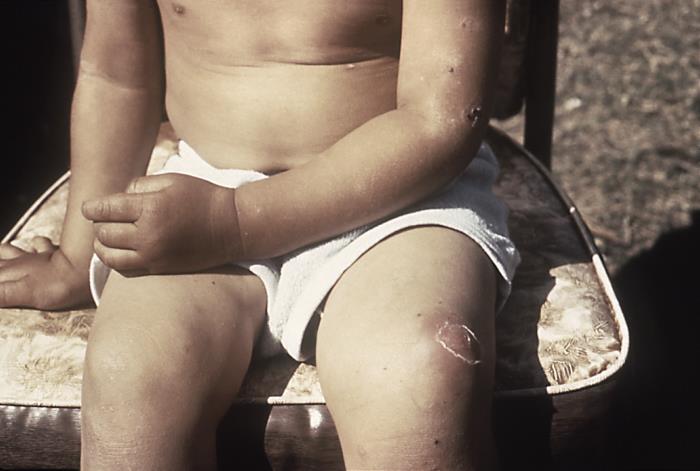
Impetigo is a contagious bacterial skin infection. Sores may leak and form yellow crusts, often around the nose or mouth. Appearance varies across skin tones; a photo cannot reliably distinguish it from eczema or other infections.
Practical next steps
Arrange assessment for antibiotic treatment. A few sores may need a prescribed topical medicine; widespread infection may need oral treatment. Gently clean and cover sores, wash hands and avoid sharing towels. Ask the clinician and school about return timing.
Notice, act, reassess
- Sore location, spread, fever, prescribed care and follow-up
- Arrange assessment for antibiotic treatment. A few sores may need a prescribed topical medicine; widespread infection may need oral treatment. Gently clean and cover sores, wash hands and avoid sharing towels. Ask the clinician and school about return timing.
- Seek urgent care for rapidly spreading redness or swelling, fever with worsening skin, severe pain or involvement around the eye. Contact the clinician if treatment is not helping; dark urine or swelling after infection also needs assessment.
When to seek help
Seek urgent care for rapidly spreading redness or swelling, fever with worsening skin, severe pain or involvement around the eye. Contact the clinician if treatment is not helping; dark urine or swelling after infection also needs assessment.
Call local emergency services for severe breathing difficulty, blue/gray lips, collapse, a seizure with failure to recover, or a child who is very difficult to wake. Do not delay to complete this tool.
A baby younger than 3 months with a temperature of 38°C (100.4°F) or higher needs urgent medical assessment, even if they look well. Do not delay assessment to try medicine or complete a diary.
Prepare for the visit
Note the pattern below and bring your questions and current medicines to the visit. This record does not diagnose or choose treatment.
- Sore location, spread, fever, prescribed care and follow-up
Common questions
What does this pattern mean?
Impetigo is a contagious bacterial skin infection. Sores may leak and form yellow crusts, often around the nose or mouth. Appearance varies across skin tones; a photo cannot reliably distinguish it from eczema or other infections.
What can families do next?
Arrange assessment for antibiotic treatment. A few sores may need a prescribed topical medicine; widespread infection may need oral treatment. Gently clean and cover sores, wash hands and avoid sharing towels. Ask the clinician and school about return timing.
When should we seek medical help?
Seek urgent care for rapidly spreading redness or swelling, fever with worsening skin, severe pain or involvement around the eye. Contact the clinician if treatment is not helping; dark urine or swelling after infection also needs assessment.
What should I write down?
Sore location, spread, fever, prescribed care and follow-up
Sources
Written for Pedemy in our own words from the sources above; checked October 2026. For education only, not medical advice. Pedemy is independent and not affiliated with or endorsed by the organizations cited.