

At a glance
- Most bites clear up by the next day and do not need a doctor.
- Breathing trouble, throat swelling or hives all over after a sting: epinephrine first, then 911.
- Scrape a bee stinger out within 30 seconds if you can, without squeezing the venom sac.
- Spreading redness, red streaks, yellow fluid or fever after a bite can mean infection.
- Do not use repellents with oil of lemon eucalyptus or PMD on children under 3 years.
- After a serious sting reaction, see an allergist and carry two epinephrine doses.
Common bites and what they look like
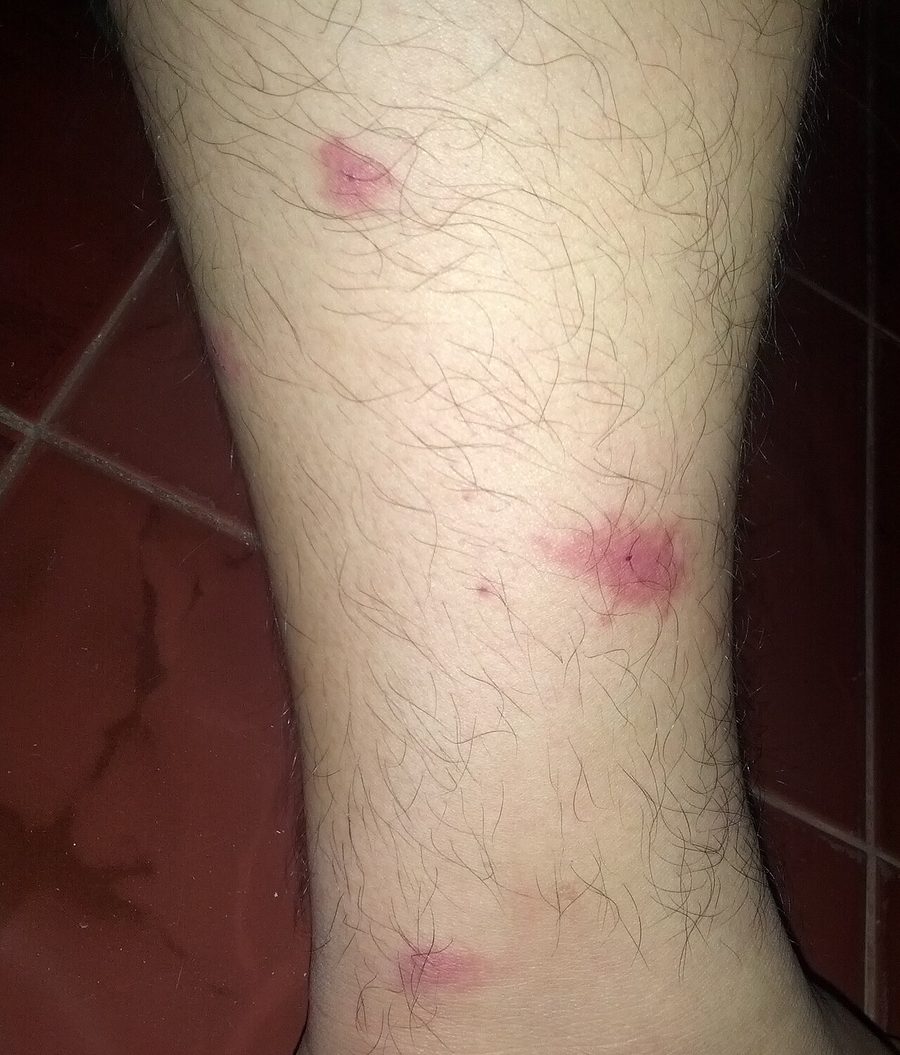
The pattern can hint at the insect, but a rash alone cannot prove which one bit your child.
| Insect | What you see |
|---|---|
| Mosquito | A small, red, itchy bump with a tiny dot in the center |
| Fleas | Clusters of small bumps, often on the arms, legs and face |
| Bedbugs | Itchy red bumps, often in rows of 2 or 3, after sleep |
| Fire ants | Painful, itchy bumps that may blister |
| Bees and wasps | Sudden pain and quick swelling at the sting |
| Ticks | Often painless; the tick may stay attached unnoticed |

Caring for a bite or sting
- If a nest was disturbed, move your child away quickly, because more stings are likely.
- Scrape a bee stinger out sideways with a fingernail; pinching it pushes in more venom.
- Wash the area with soap and water, then hold a cold, wet cloth on it.
- Raising a stung arm or leg helps the swelling go down.
- For itching, calamine lotion or a mild steroid cream on the skin and an antihistamine by mouth can help.
- Ibuprofen may ease sting pain; use the dose for your child's age and weight.
- Keep nails short and clean so scratching does not lead to infection.
After a bee or wasp sting
- Move awayLeave the area calmly; a disturbed nest means more stings.
- Remove the stingerScrape it out within 30 seconds; do not squeeze.
- Wash and coolSoap and water, then a cold, wet cloth; raise the limb.
- Watch the whole childLook for hives elsewhere, breathing trouble or fainting.
Signs of a severe allergic reaction
Redness, pain, swelling and itch at the sting are a normal local reaction. Symptoms away from the sting, or all over the body, are different and need help at once:
- Trouble breathing, wheezing or a tight throat.
- Swelling of the tongue or throat, or hives and itching all over the body.
- Dizziness, weakness, fainting or passing out.
- Stomach cramps, vomiting or diarrhea together with any of these.
- Give the prescribed epinephrine and call 911. Emergency care is still needed after the dose, even if your child improves.
Bites and stings: when to get help
- Call 911Breathing trouble, throat swelling, hives all over or fainting: epinephrine first.
- Get care right awayExtreme swelling near the eyes, lips or genitals that makes it hard to see, eat or pee.
- Call the doctorSpreading redness, red streaks, yellow fluid or fever, or swelling that is hard to control.
- Home carePain, redness, swelling and itch only where the bite or sting is.
Infection and when to call the doctor
- Watch in the next days for redness or swelling that grows, red streaks, yellowish fluid or fever.
- See the pediatrician promptly if these appear, because antibiotics may be needed.
- Call as well if itching or swelling lasts or is hard to control; steroid medicine by mouth is sometimes prescribed for large swelling.
- After any reaction beyond the sting site, ask for an allergist referral, since testing and treatment can lower the risk next time.
Preventing bites and stings
- Choose an EPA-registered repellent, such as DEET or picaridin, and follow the label.
- Use DEET sparingly in children under 2, and take special care with newborns and premature babies.
- Spray your own hands first, then rub repellent on your child's face, avoiding the eyes, mouth, hands and cuts.
- Apply sunscreen first and repellent second, and skip combined sunscreen-repellent products.
- Wash repellent off when your child comes indoors.
- Cover strollers and baby carriers with mosquito netting, and dress children in long sleeves and pants.
- To avoid stings, skip bare feet and flowery scents, and keep away from open trash and sweet drinks outdoors.
Repellents for children at a glance
- 10%: about 2 hours of protection
- 30%: about 5 hours of protection
- Above 50% adds no extra time
- 5%: about 3 to 4 hours
- 20%: about 8 to 12 hours
- Not for children under 3 years
- "Pure" oils are not registered repellents
Common questions
Is a big, swollen bite always infected?
No. Swelling right at the bite is usually the body's reaction; infection is more likely when redness keeps spreading, streaks or yellow fluid appear, or fever starts.
How do I get a bee stinger out of my child?
Scrape across the skin with a fingernail as soon as you can. Grabbing the sac with fingers or tweezers can squeeze in more venom.
What stops mosquito bites from itching?
A cool compress with calamine or a mild steroid cream usually helps, and an antihistamine by mouth can calm stronger itch.
When is a bee sting an emergency for a child?
When symptoms show up away from the sting, such as widespread hives, a swollen throat, wheezing or fainting. Use prescribed epinephrine and call 911.
Is DEET safe for babies and toddlers?
The AAP advises applying DEET sparingly before age 2 and being especially careful with newborns and premature babies. Netting over strollers is a good option for young infants.
Does my child need an allergist after a sting reaction?
Yes, after any serious reaction such as breathing trouble or widespread hives. An allergist can test and plan treatment that lowers the chance of a dangerous reaction next time.
Sources
- AAP — Insect bites and stings in children
- AAAAI — Stinging insect allergy
- AAP — How to choose an insect repellent for your child
- CDC — Preventing mosquito bites
- AAP — Anaphylaxis in infants and children: responding to severe allergic reactions
Written for Pedemy in our own words from the sources above; checked October 2026. For education only, not medical advice. Pedemy is independent and not affiliated with or endorsed by the organizations cited.