

Metabolic Disorders flashcards
200 cards · 8 topics · 2% of the board exam, shared with Genetics
200 free Metabolic Disorders flashcards for pediatric board review and rotations, written in our own words with public guideline sources. Topics: Amino Acids, Galactose & Glycogen, Lipids & Copper, Lysosomal Lipid Disorders and 4 more. Metabolic Disorders is 2% of the board exam, shared with Genetics.
Sample Metabolic Disorders cards
-
Amino Acids
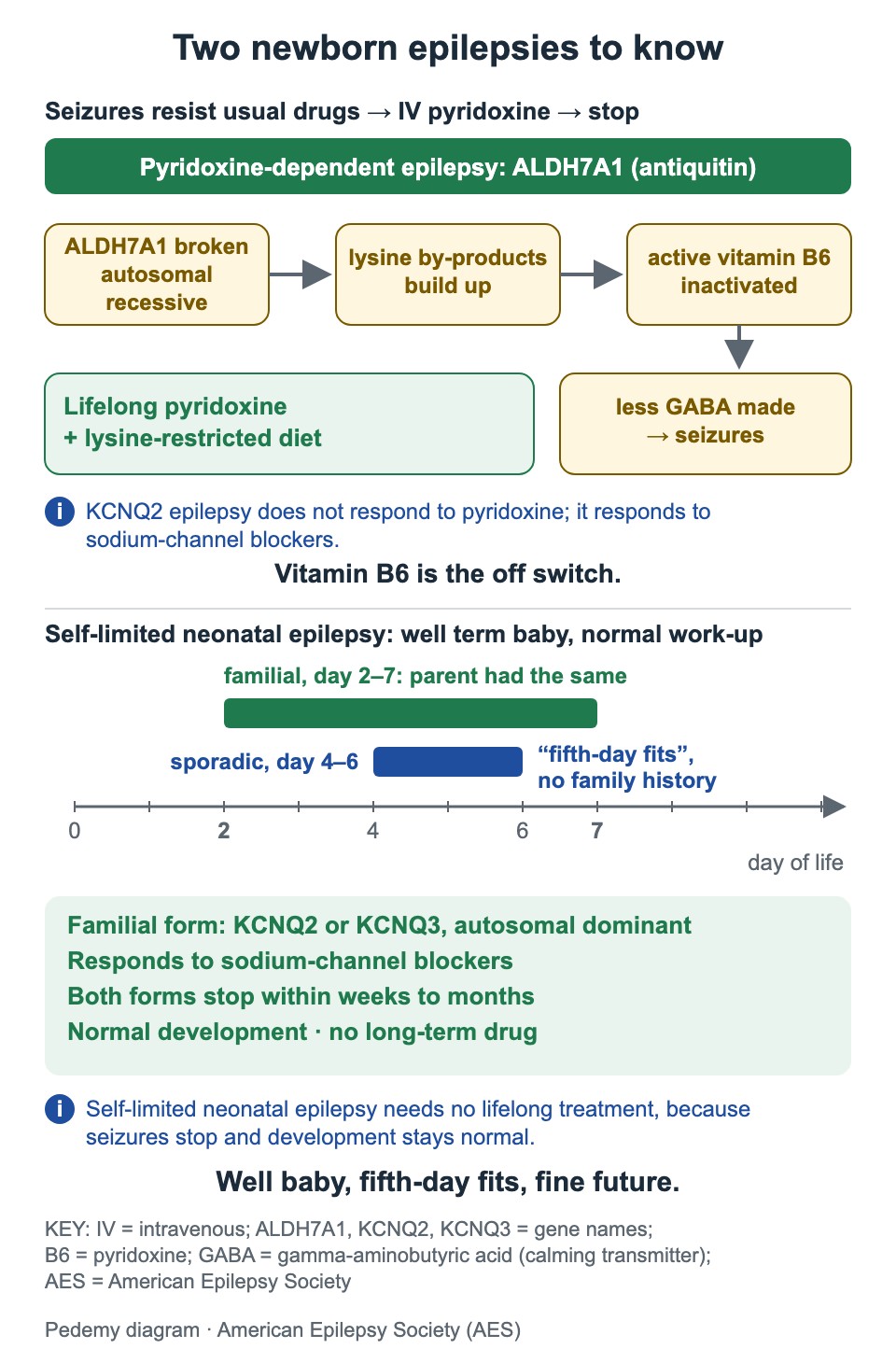
Newborn: seizures unhelped by antiseizure drugs or pyridoxine, high urine sulfite → diagnosis? […]
Show answer
Newborn: seizures unhelped by antiseizure drugs or pyridoxine, high urine sulfite → diagnosis? Molybdenum cofactor deficiency
Why: Sulfite oxidase needs the molybdenum cofactor, so toxic sulfite builds up and injures the brain in the first week of life. Fosdenopterin (Nulibry) replaces the missing cofactor precursor (cPMP) and is FDA-labeled to reduce the risk of death in type A (MOCS1); it is started when type A is presumed and stopped if gene testing does not confirm it. Hook: No molybdenum, sulfite burns the brain.
Source: NIH MedlinePlus Genetics: molybdenum cofactor deficiency; FDA label: Nulibry (fosdenopterin). Rewritten for Pedemy in our own words, November 2026.
Two newborn epilepsies to know -
Galactose & Glycogen
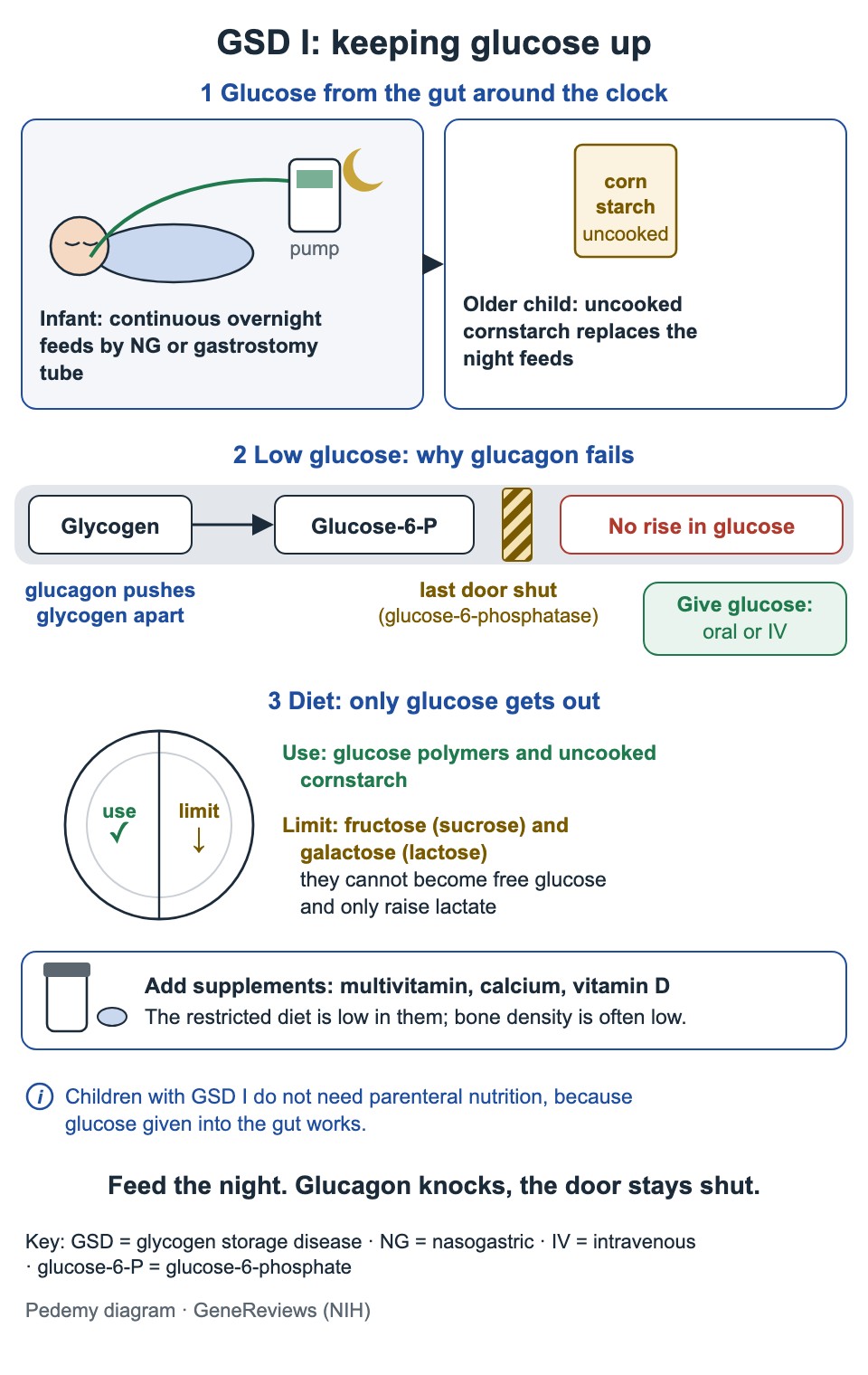
GSD I with a low glucose → expected response to glucagon? […]
Show answer
GSD I with a low glucose → expected response to glucagon? No rise in glucose
Why: Glucagon frees glucose from glycogen, but the final glucose-6-phosphatase step is blocked. Note: Low glucose in GSD I is treated with oral or IV glucose, not glucagon. Hook: glucagon knocks, the door stays shut.
Source: ACMG practice guideline: GSD type I (2014); GeneReviews: Glycogen Storage Disease Type I. Rewritten for Pedemy in our own words, November 2026.
GSD I: keeping glucose up -
Lipids & Copper
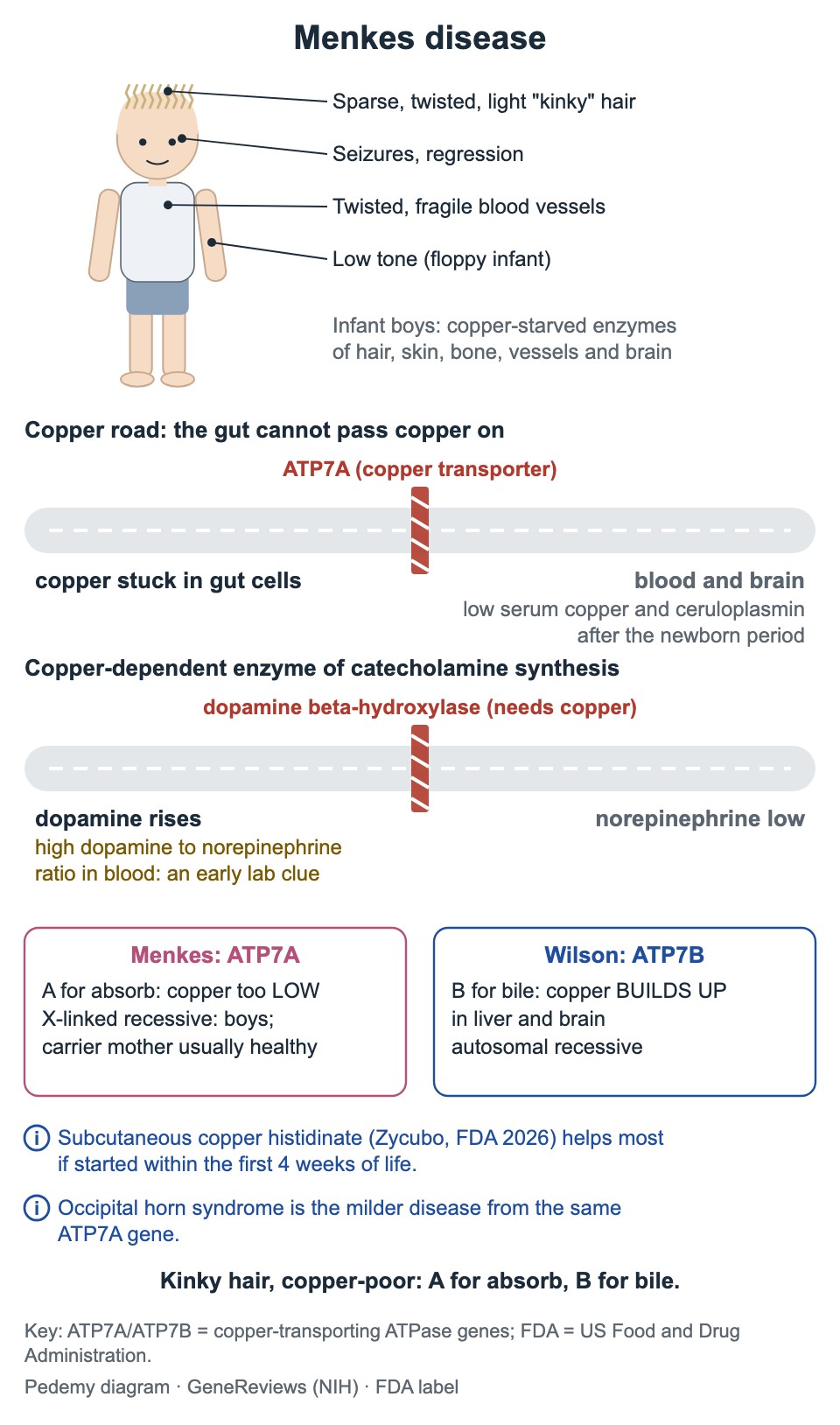
Infant boy with seizures, low tone and sparse, twisted, kinky hair → copper disorder? […]
Show answer
Infant boy with seizures, low tone and sparse, twisted, kinky hair → copper disorder? Menkes disease
Why: ATP7A failure starves copper-dependent enzymes of bone, skin, hair, vessels and brain, so hair twists and neurons degenerate; serum copper and ceruloplasmin are low. Note: Menkes disease is X-linked, so it almost always affects boys. Hook: Twisted hair, twisted vessels.
Source: GeneReviews: ATP7A-related copper transport disorders; NIH MedlinePlus Genetics: Menkes syndrome. Rewritten for Pedemy in our own words, November 2026.
Menkes disease -
Lysosomal Lipid Disorders
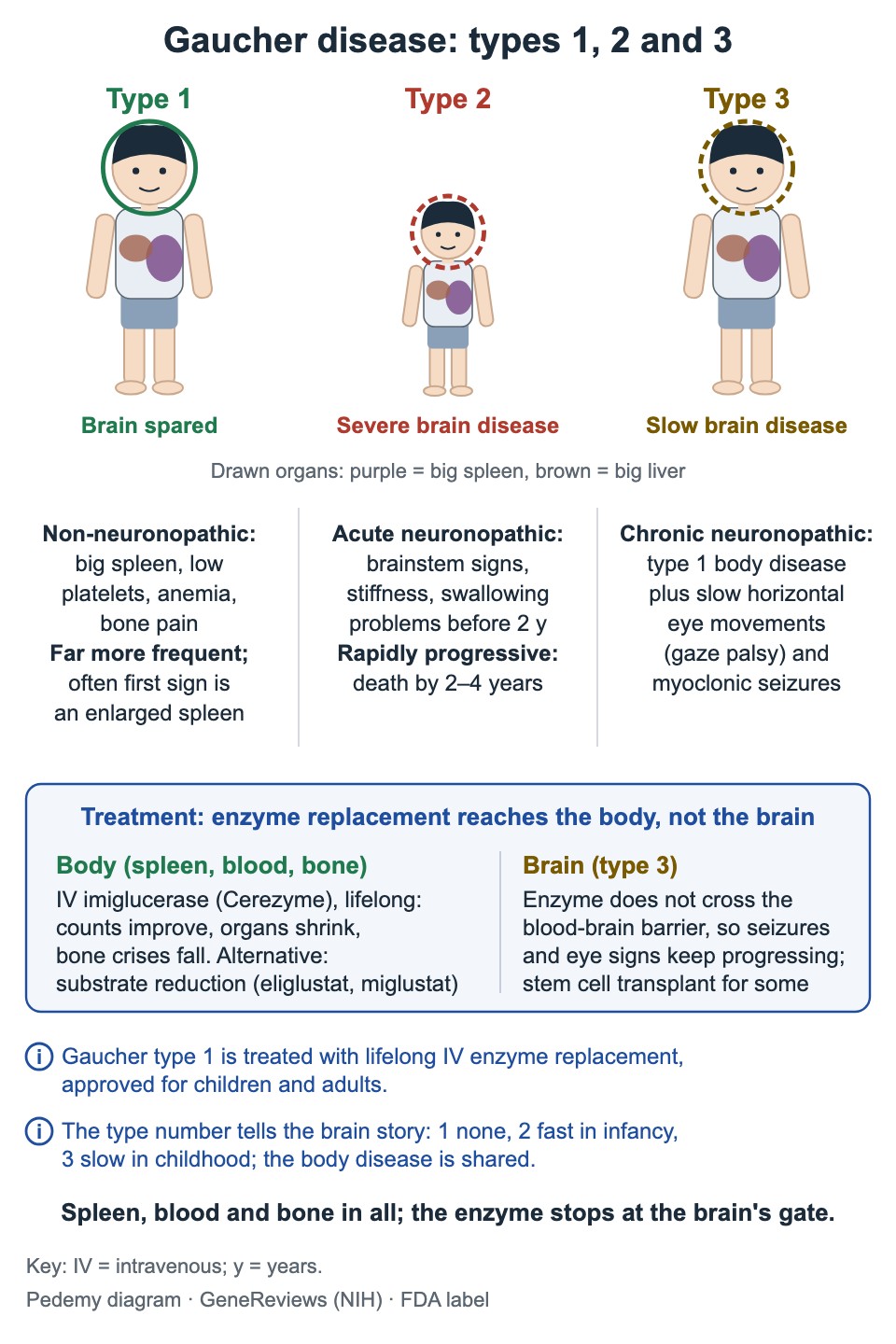
Lysosomal storage disease with bone disease, anemia, big spleen and no primary brain disease → […]
Show answer
Lysosomal storage disease with bone disease, anemia, big spleen and no primary brain disease → Gaucher disease type 1
Why: Type 1 is far more frequent than types 2 and 3 and usually shows first as an enlarged spleen. Note: Gaucher disease type 1 is non-neuronopathic, so the brain is spared while spleen, liver, blood counts and bones suffer. Hook: Gaucher leads the lysosome league.
Source: GeneReviews: Gaucher disease; NIH MedlinePlus Genetics: Gaucher disease. Rewritten for Pedemy in our own words, November 2026.
Gaucher disease: types 1, 2 and 3 -
Mitochondria & Energy
X-ALD boy: early brain MRI lesions, still neurologically well → treatment? […]
Show answer
X-ALD boy: early brain MRI lesions, still neurologically well → treatment? Hematopoietic stem cell transplant
Why: Transplant halts brain demyelination only when done early; boys 4–17 years without a matched donor may get gene therapy (elivaldogene autotemcel, Skysona), which carries a boxed warning for blood cancer. That is why screened boys get serial MRIs. Note: Early cerebral X-linked adrenoleukodystrophy is treated with stem cell transplant before symptoms advance. Hook: Catch the lesion, transplant early.
Source: GeneReviews: X-linked adrenoleukodystrophy; FDA label: elivaldogene autotemcel (Skysona). Rewritten for Pedemy in our own words, November 2026.
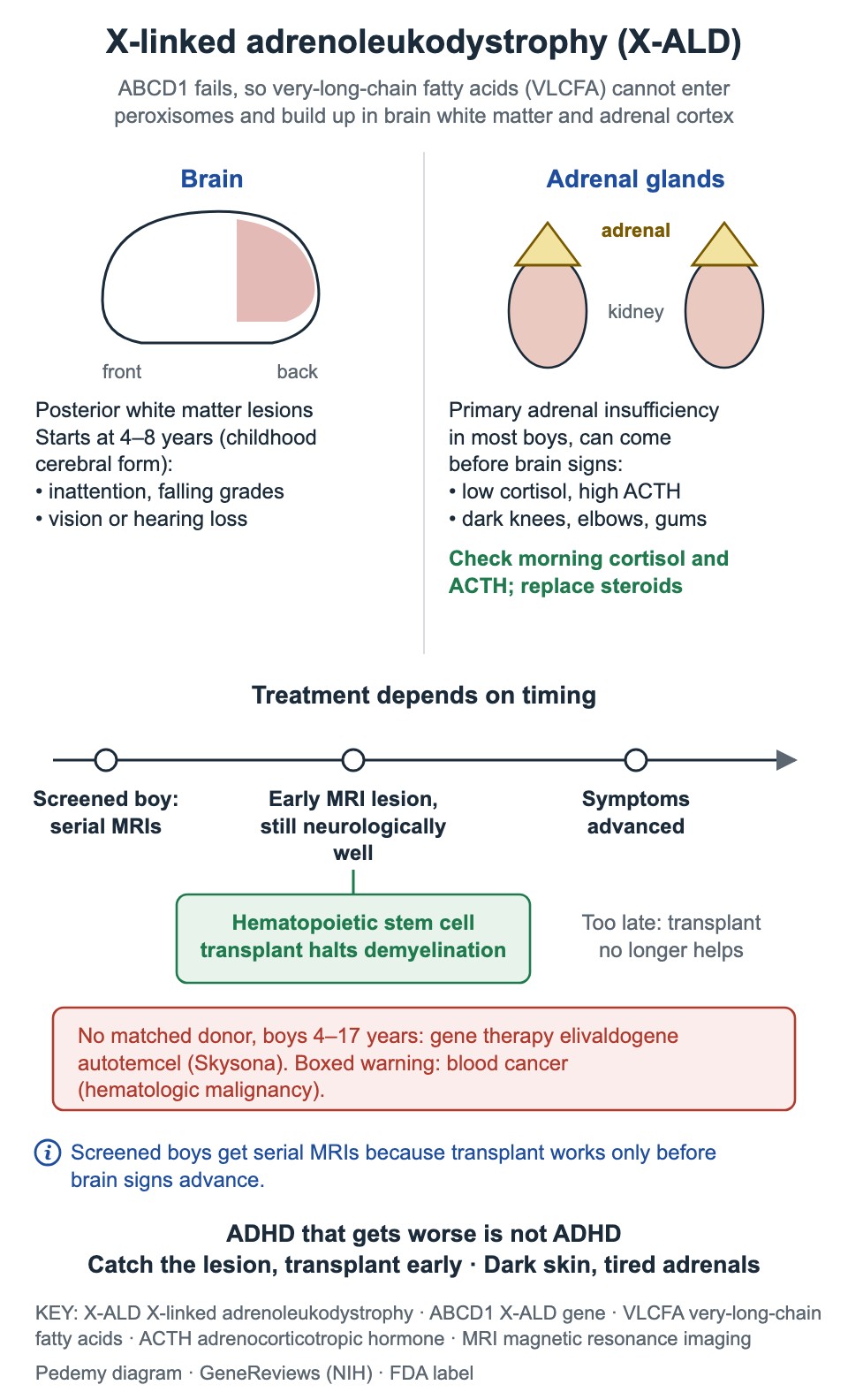
X-linked adrenoleukodystrophy (X-ALD) -
Mucopolysaccharidoses
Hunter syndrome (MPS II) → weekly IV enzyme replacement? […]
Show answer
Hunter syndrome (MPS II) → weekly IV enzyme replacement? Idursulfase (Elaprase)
Why: Recombinant enzyme shrinks liver and spleen and improves walking and joint motion, but brain disease is not its labeled target. Note: Idursulfase treats the body disease of Hunter syndrome; FDA-labeled benefit on walking is from age 5 years, with spleen benefit shown from 16 months. Hook: Elaprase eases the body.
Source: FDA label: idursulfase (Elaprase); GeneReviews: mucopolysaccharidosis type II. Rewritten for Pedemy in our own words, November 2026.
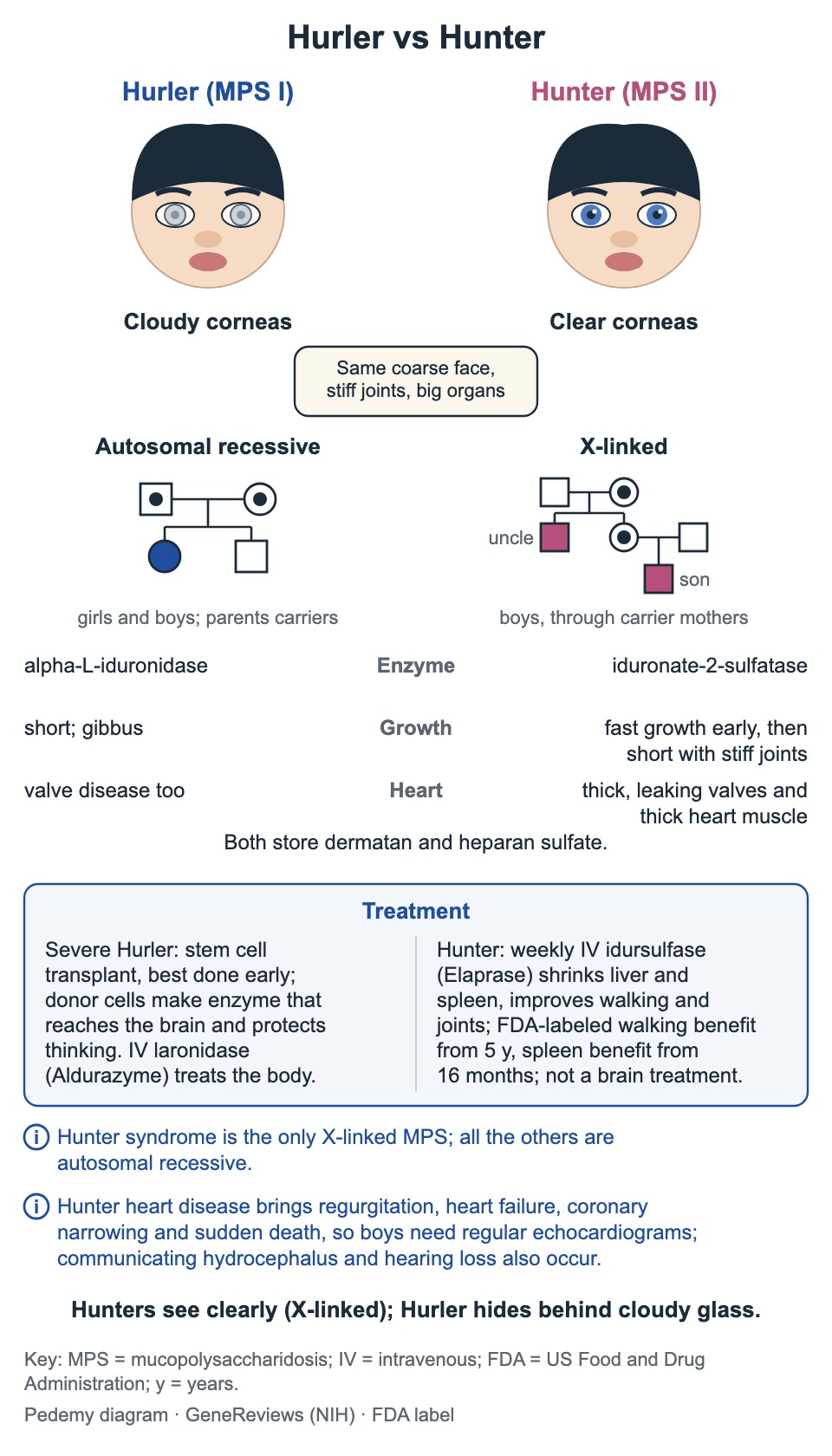
Hurler vs Hunter -
Nitrogen & Purines
Boy with dystonia and self-injury from Lesch-Nyhan disease → key lab finding? […]
Show answer
Boy with dystonia and self-injury from Lesch-Nyhan disease → key lab finding? High serum uric acid
Why: Purines that cannot be recycled are broken down to uric acid, so blood and urine urate are high. Note: Orange crystals in the diaper of a baby boy can be the first sign of uric acid overproduction from HPRT deficiency. Hook: Orange sand in the diaper.
Source: GeneReviews: HPRT1 disorders; NIH MedlinePlus Genetics: Lesch-Nyhan syndrome. Rewritten for Pedemy in our own words, November 2026.
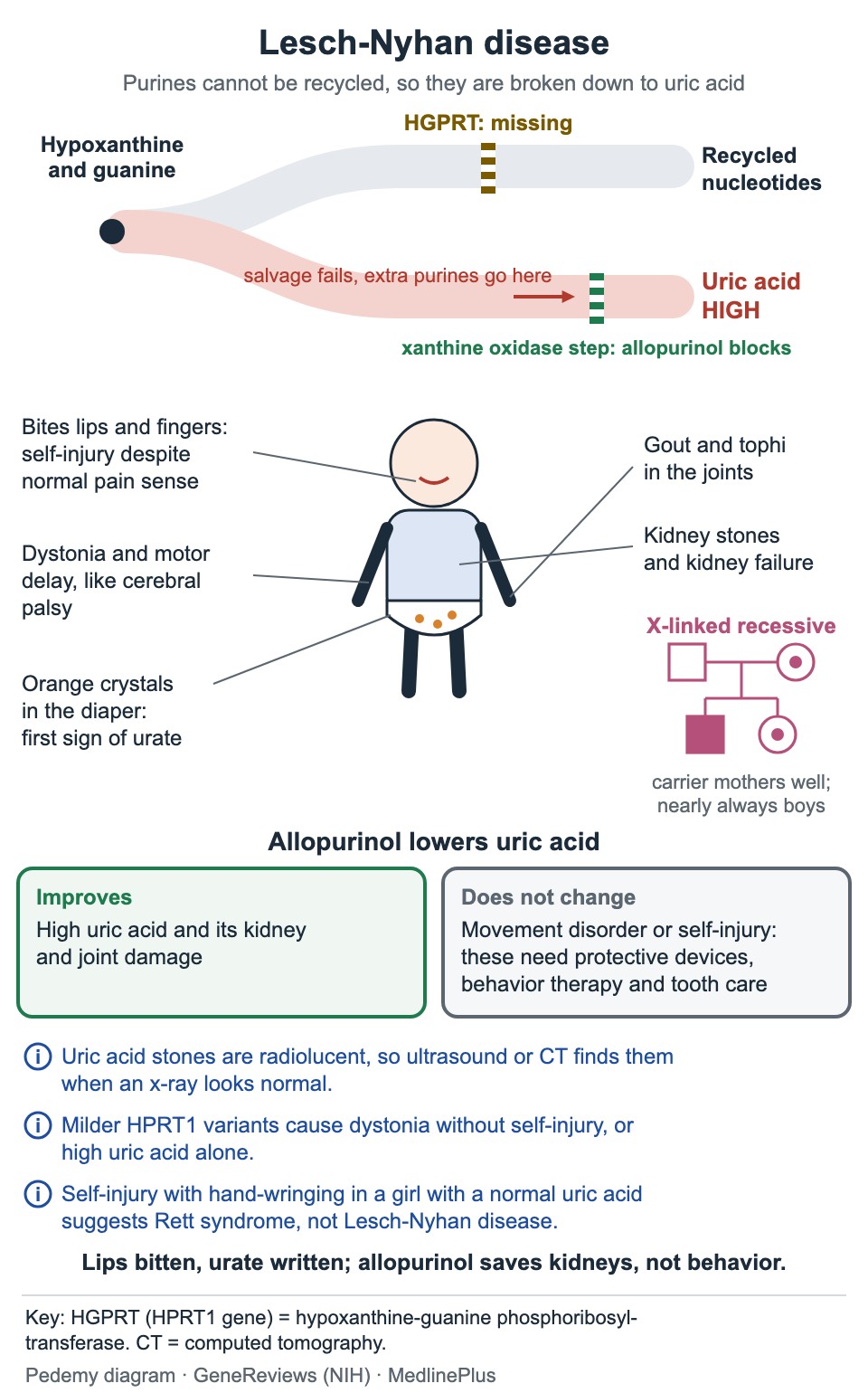
Lesch-Nyhan disease -
Amino Acids
Mother with PKU, father with two normal PAH genes → baby's PKU status? […]
Show answer
Mother with PKU, father with two normal PAH genes → baby's PKU status? Unaffected carrier (obligate heterozygote)
Why: The mother can pass only an altered PAH gene, and the father only normal ones, so every child carries one of each. Note: The baby of a mother with PKU still gets the usual newborn screen, and breastfeeding is safe when the baby is unaffected. Hook: Mom gives one, dad covers it.
Source: GeneReviews: Phenylalanine hydroxylase deficiency (2025); ACMG PAH deficiency guideline (2023). Rewritten for Pedemy in our own words, November 2026.
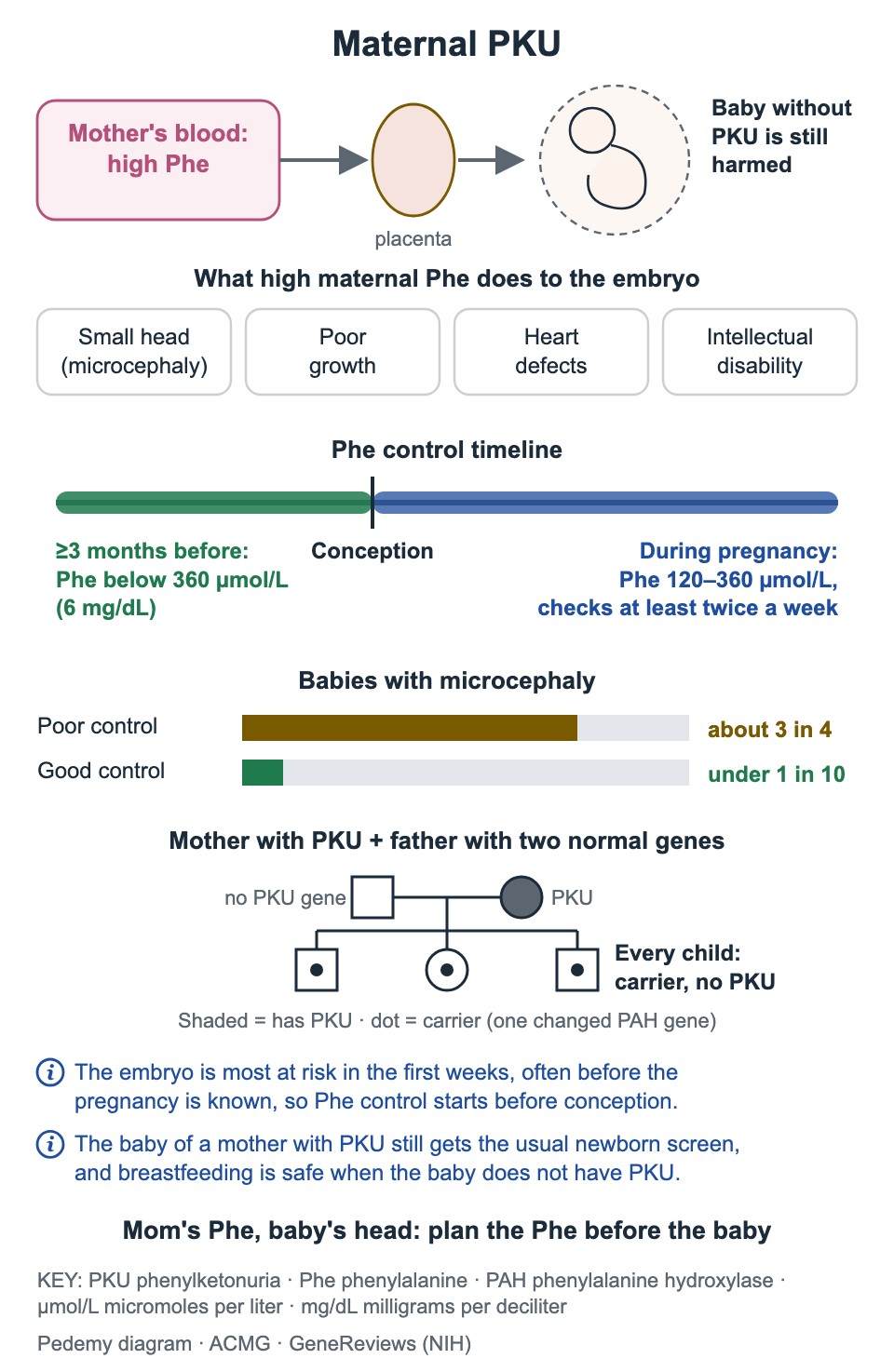
Maternal PKU
Topics in Metabolic Disorders
- Amino Acids36
- Galactose & Glycogen42
- Lipids & Copper12
- Lysosomal Lipid Disorders26
- Mitochondria & Energy24
- Mucopolysaccharidoses13
- Nitrogen & Purines23
- Organic Acidemias & Biotin24
Metabolic Disorders study guides
- Amino acid disorders: PKU, tyrosinemia type 1, homocystinuria and MSUD
- Familial hypercholesterolemia, Menkes disease and Smith–Lemli–Opitz syndrome
- Fasting hypoglycemia, MCAD deficiency, peroxisomal and mitochondrial disorders
- Galactosemia, fructose intolerance and glycogen storage diseases
- Lysosomal lipid storage disorders: Fabry, Gaucher, Tay–Sachs and Niemann–Pick
- Mucopolysaccharidoses: Hurler, Hunter and Sanfilippo
- Organic acidemias, glutaric acidemia type 1 and biotin disorders
- Urea cycle defects, hyperammonemia and Lesch-Nyhan disease
Clinical tools for Metabolic Disorders
Sample cards in other subjects
- Growth & Development
- Immunizations & Post-exposure Prevention
- Nutrition
- Well-Child Care & Prevention
- Emergency Medicine
- Infectious Disease
- ENT
- Mental Health
- Ophthalmology
- Adolescent Medicine
- Cardiology
- Gastroenterology
- Pulmonology
- Dermatology
- Musculoskeletal & Sports Medicine
- Neonatology
- Neurology
- Allergy & Immunology
- Behavioral
- Endocrinology
- Hematology
- Nephrology
- Oncology
- Urology
- Biostatistics & Epidemiology
- Genetics
- Medical Ethics
- Patient Safety & Quality Improvement
- Rheumatology
- Pharmacology
Free to study without an account. Sign up free to save your spaced-repetition schedule across devices. For education only; check current guidelines before clinical use.