

Main decision tree
eGFR and drug doses in children
Key points
- Bedside Schwartz eGFR = 0.413 × height (cm) / creatinine (mg/dL). KDIGO 2024 prefers the CKiD U25 equation.
- CKD = kidney damage or low GFR for more than 3 months. G4 is 15–29, G5 is <15; albuminuria is abnormal from 30 mg/g.
- The most common cause of CKD in young children is CAKUT; glomerular disease becomes more common in teens.
- CKD anemia is low erythropoietin: replace iron first, then add an ESA, and do not aim for a normal hemoglobin.
- Phosphate retention and low calcitriol raise PTH early. Short stature that persists after nutrition, acidosis and bone-mineral control are optimized is treated with growth hormone.
- Infants on chronic dialysis usually get peritoneal dialysis. Give live vaccines at least 4 weeks before transplant.
- ADPKD is common (about 1 in 1000) and fails in adulthood; ARPKD is rare, starts in the newborn and always has congenital hepatic fibrosis.
- Stones: ultrasound is the first imaging test; uric acid stones are radiolucent, and cystine forms flat hexagonal crystals.
Estimating GFR and adjusting drug doses
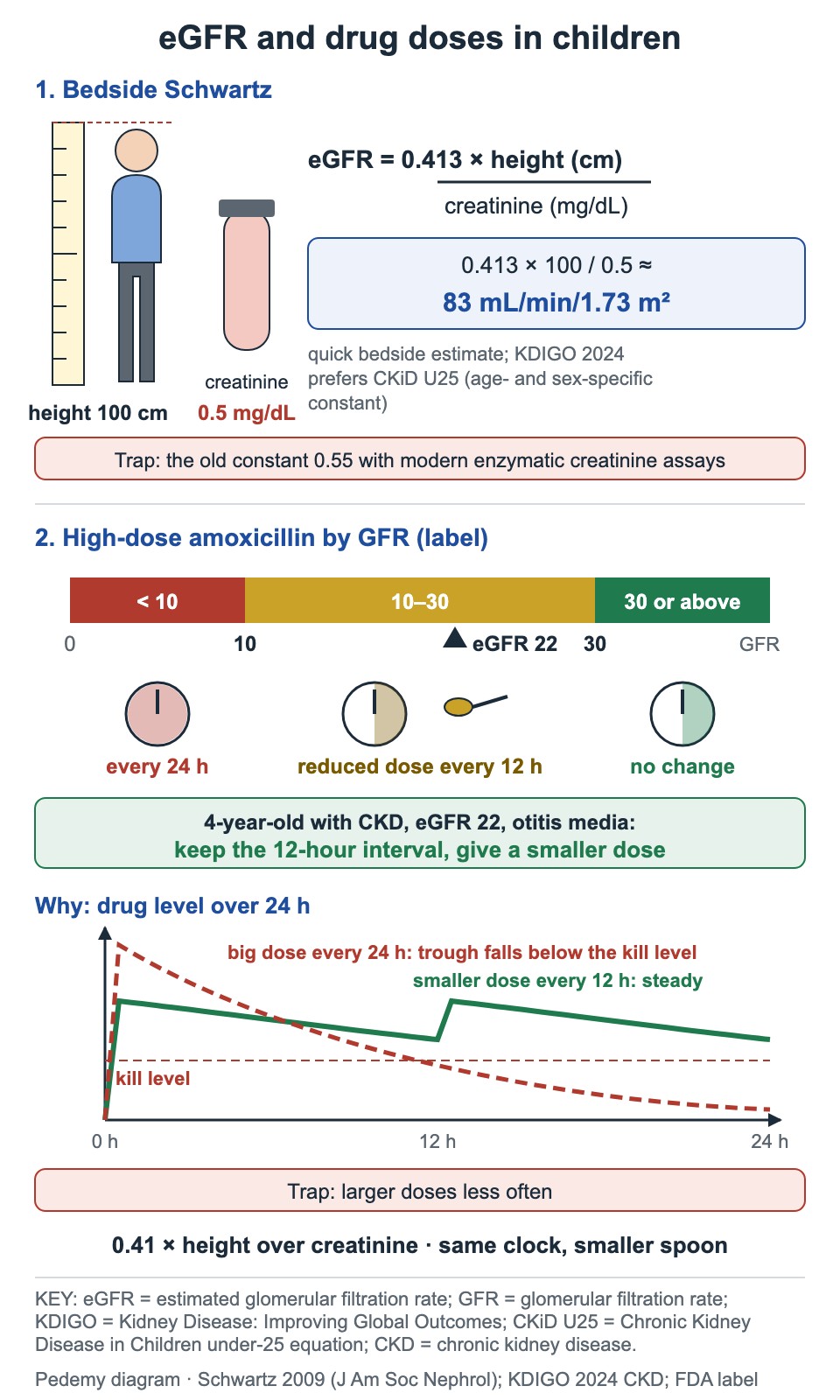
Bedside Schwartz eGFR = 0.413 × height (cm) / creatinine (mg/dL). A child 100 cm tall with a creatinine of 0.5 mg/dL has an eGFR of about 83 mL/min/1.73 m². KDIGO 2024 now prefers the CKiD U25 equation, which uses an age- and sex-specific constant; bedside Schwartz stays the quick estimate. Do not use the old constant 0.55 with modern enzymatic creatinine assays.
- Amoxicillin in CKD: with a GFR of 10–30, keep the 12-hour interval and give a smaller dose; under 10, give it every 24 hours; at 30 or above, no change.
- A 4-year-old with an eGFR of 22 and otitis media therefore gets a reduced dose every 12 hours. A smaller dose keeps levels steady; larger doses given less often risk troughs below the level that kills bacteria.
CKD: definition, stages and causes
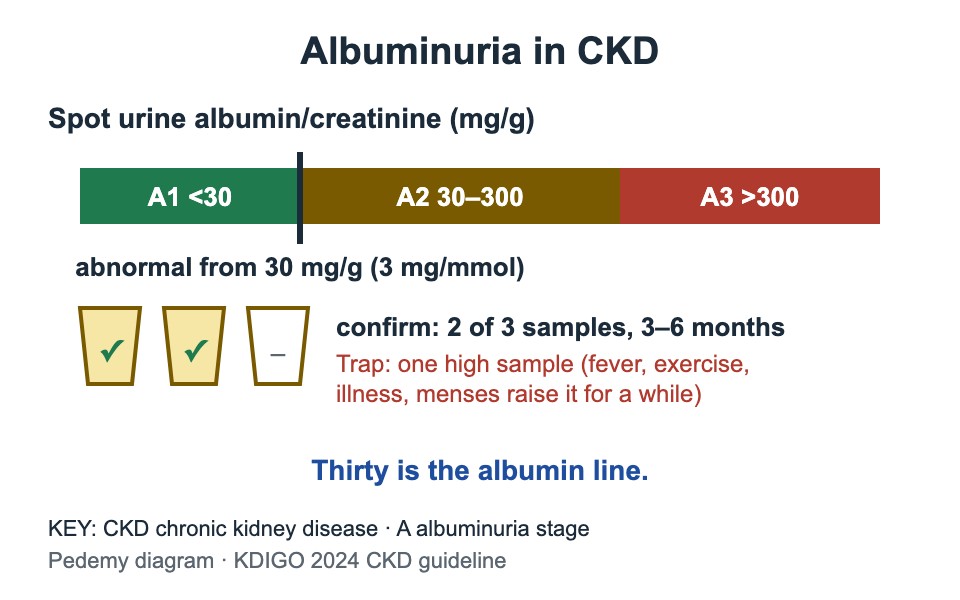
CKD is a structural or functional kidney abnormality that lasts more than 3 months.
- Albuminuria: A1 is under 30 mg/g, A2 is 30–300 mg/g and A3 is over 300 mg/g. A spot albumin/creatinine ratio is abnormal from 30 mg/g (3 mg/mmol).
- Fever, exercise, illness and menses raise albumin for a short time, so confirm it in 2 of 3 samples over 3–6 months before labeling kidney disease.
- Causes: congenital anomalies of the kidney and urinary tract (CAKUT), meaning dysplasia, hypoplasia and obstruction such as posterior urethral valves, cause most CKD in young children. Glomerular diseases become more common in teens.
- WAGR syndrome: loss of WT1 harms the glomeruli, so many patients develop proteinuria and CKD that progresses to kidney failure, often in adolescence and independent of the Wilms tumor. Check BP, urine protein and creatinine for life; tumor ultrasound is not the only follow-up.
| GFR stage | eGFR (mL/min/1.73 m²) |
|---|---|
| G1 | ≥90 |
| G2 | 60–89 |
| G3 | 30–59 |
| G4 | 15–29 |
| G5 (kidney failure) | <15 |
Anemia and growth in CKD
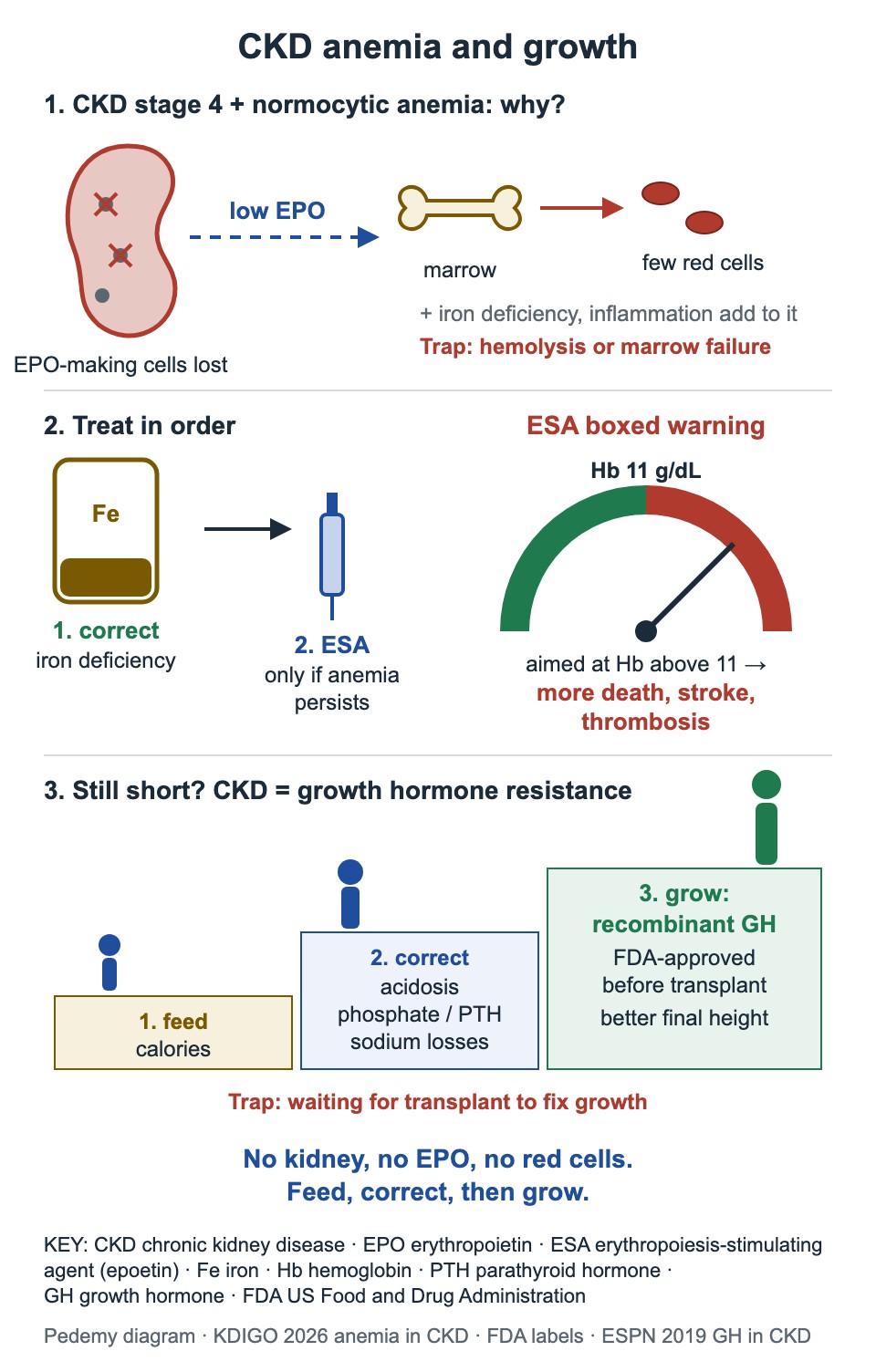
- Normocytic anemia in advanced CKD comes mainly from low erythropoietin: the peritubular cells that make it are lost. Iron deficiency and inflammation add to it. It is not hemolysis or marrow failure.
- Correct iron deficiency first; add an erythropoiesis-stimulating agent (ESA) only if anemia persists.
- ESAs aimed at a hemoglobin above 11 g/dL raise death, stroke and thrombosis.
- Growth: CKD causes growth hormone resistance. First correct calories, acidosis, phosphate and PTH, and sodium losses. A child who is still short then gets recombinant growth hormone, which is approved for growth failure in CKD before transplant and improves final height. Do not wait for transplant to fix growth.
CKD mineral and bone disorder
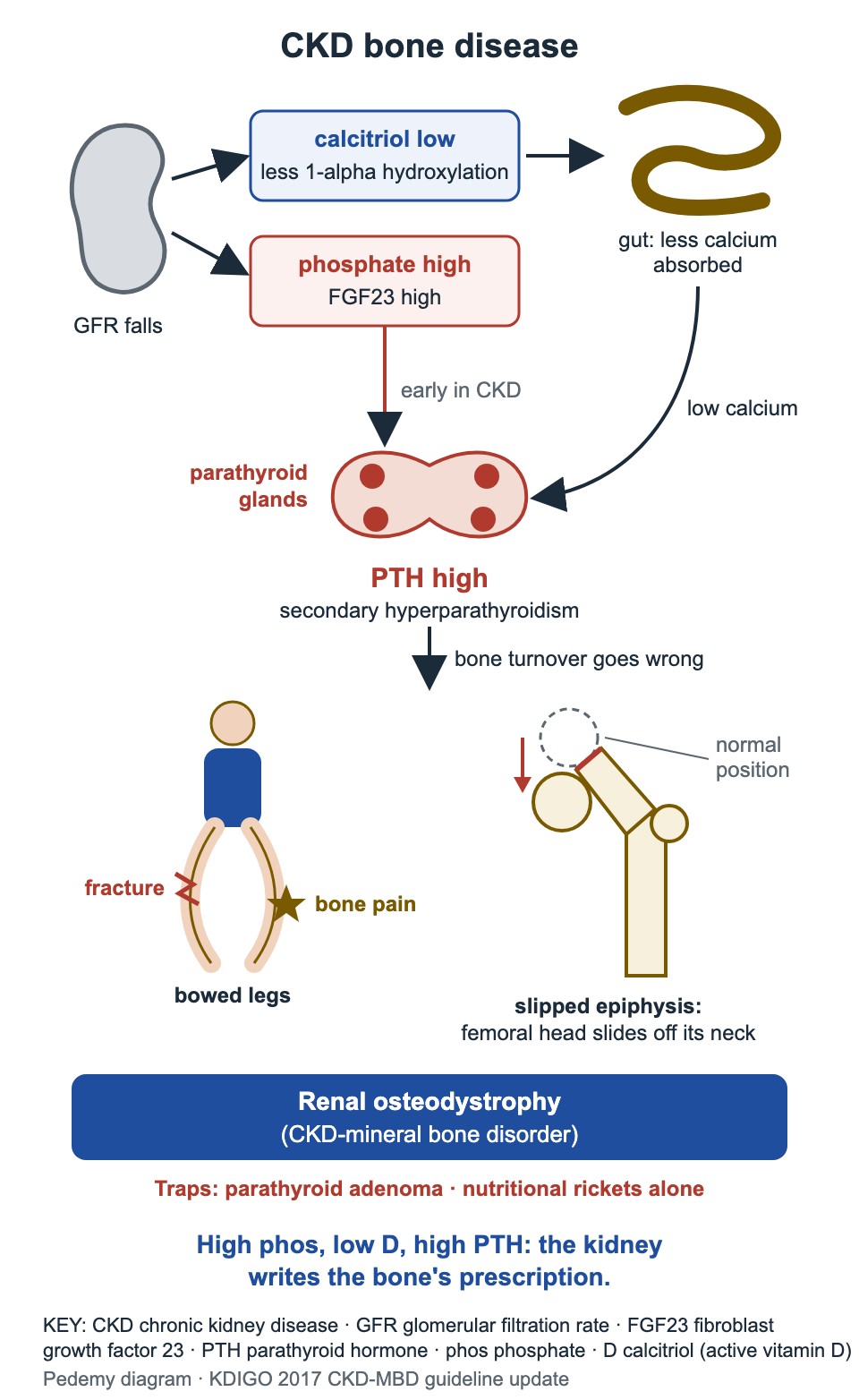
PTH rises early in CKD. As GFR falls, phosphate and FGF23 rise and 1-alpha hydroxylation of vitamin D drops. Less calcitriol means less calcium absorption, so PTH climbs: secondary hyperparathyroidism, not a parathyroid adenoma.
- Renal osteodystrophy (CKD mineral and bone disorder): bone pain, bowed legs, high phosphate and high PTH. Abnormal bone turnover brings pain, deformity, fractures and slipped epiphyses.
- Do not call it nutritional rickets alone in a child with CKD.
Dialysis and donor kidneys
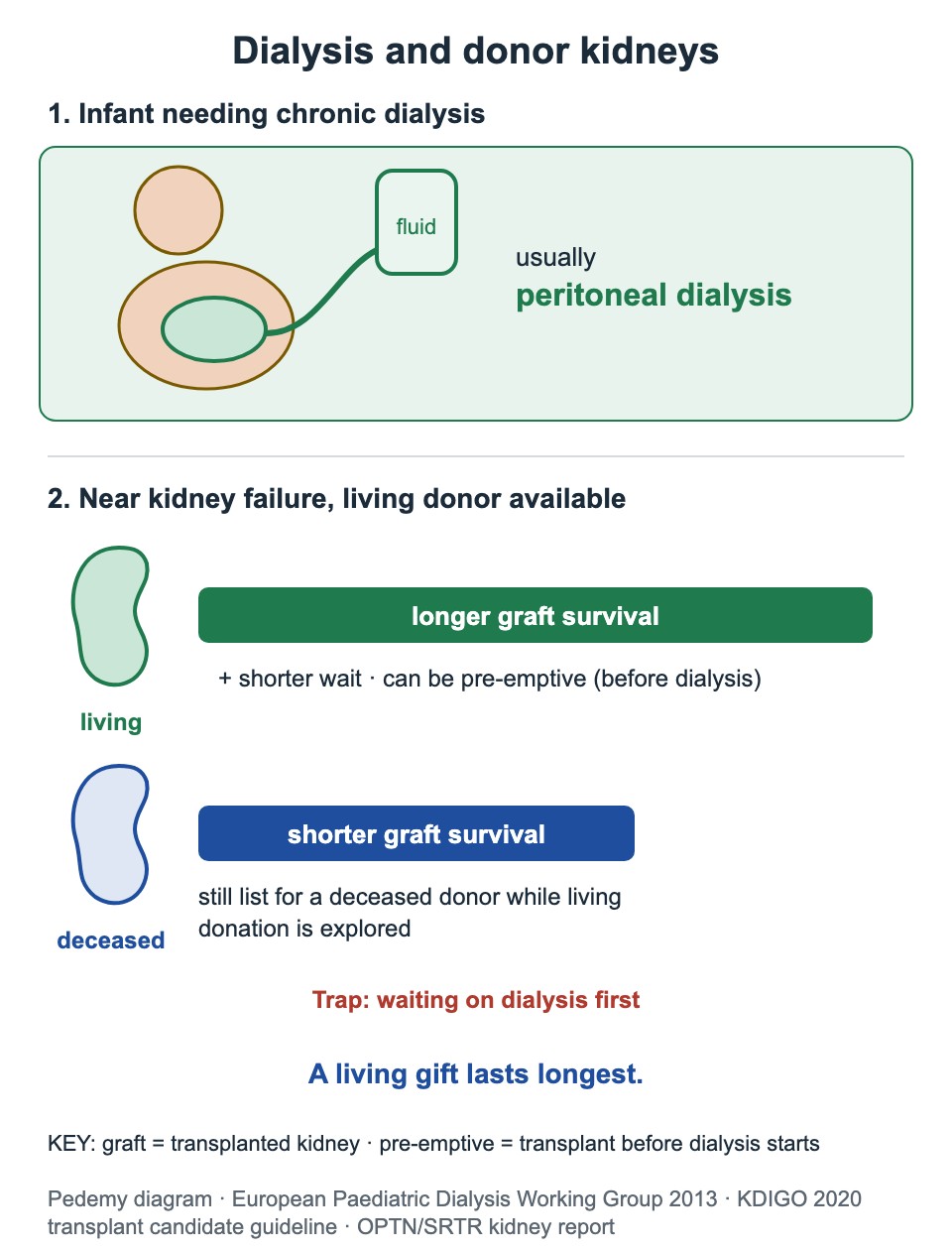
- Infants who need chronic dialysis usually get peritoneal dialysis.
- Living-donor kidneys last longer (longer graft survival), the wait is shorter and the transplant can be pre-emptive, before dialysis. Still list the child for a deceased donor while living donation is explored.
- The key nonmedical requirement for transplant is reliable support for strict medicines and follow-up. Nonadherence to immunosuppression is a leading cause of graft loss, especially in teens.
- Non-progressive intellectual disability alone never excludes a child from transplant; decide with the family.
- US deceased-donor allocation: candidates registered before age 18 get priority for the highest-quality kidneys (KDPI under 35%), because time on dialysis harms growth and development.
- Give MMR and varicella vaccines at least 4 weeks before transplant; none after.
Autosomal dominant polycystic kidney disease (ADPKD)
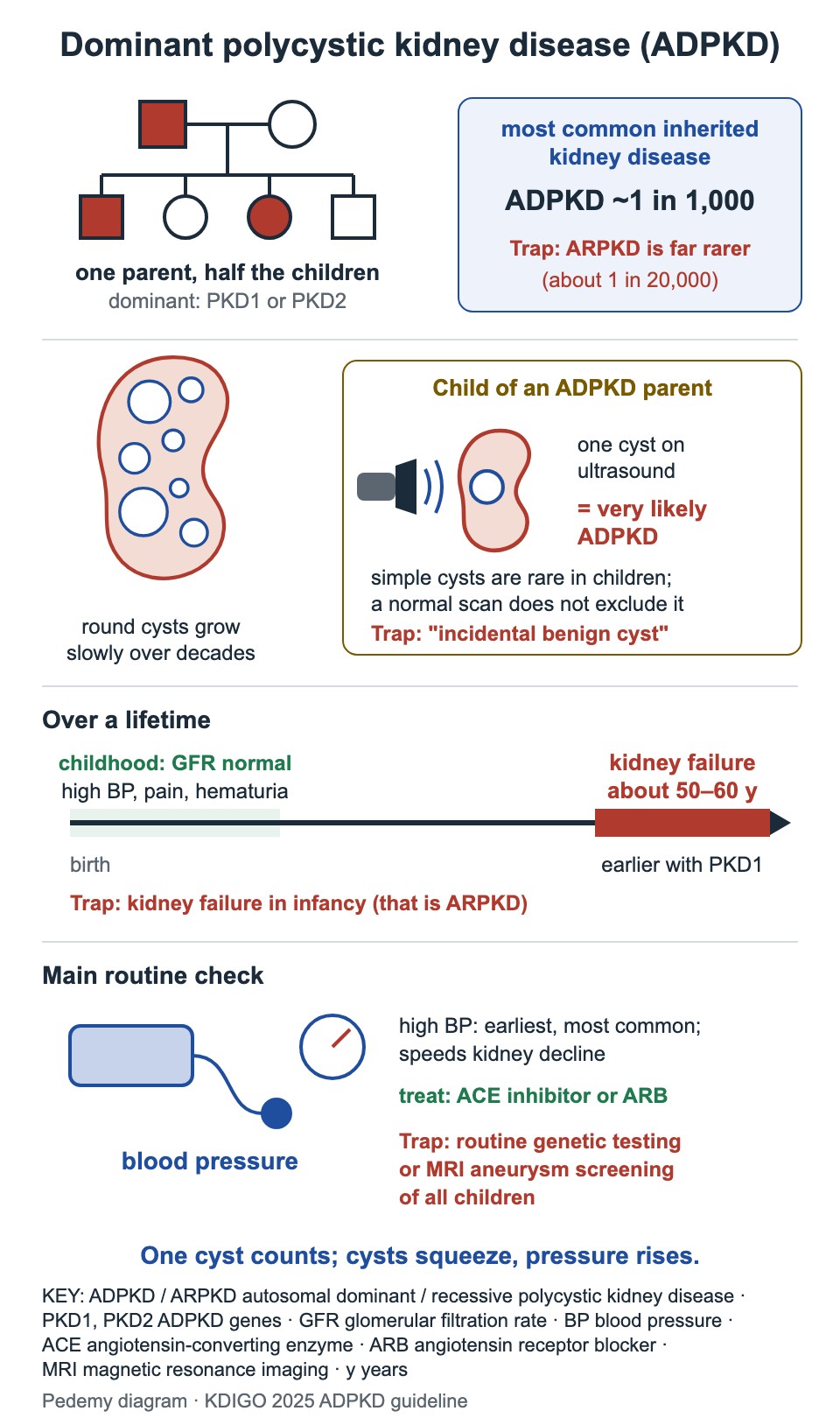
ADPKD (PKD1 or PKD2) is the most common inherited kidney disease, about 1 in 1000 people (population studies 4–10 per 10000). ARPKD is far rarer, about 1 in 20000. Cysts grow slowly over decades, so GFR is usually normal through childhood and kidney failure typically comes at about 50–60 years, earlier with PKD1.
- Children mostly show hypertension, pain or hematuria, not kidney failure.
- Simple cysts are rare in children. In a child of an affected parent, even one cyst on ultrasound means ADPKD is very likely. A normal scan does not exclude it.
- The main routine check is blood pressure. Hypertension is the earliest and most common problem and speeds kidney decline; treat it with an ACE inhibitor or ARB.
- Routine genetic testing or MRI aneurysm screening of all children is not recommended.
Autosomal recessive polycystic kidney disease (ARPKD)
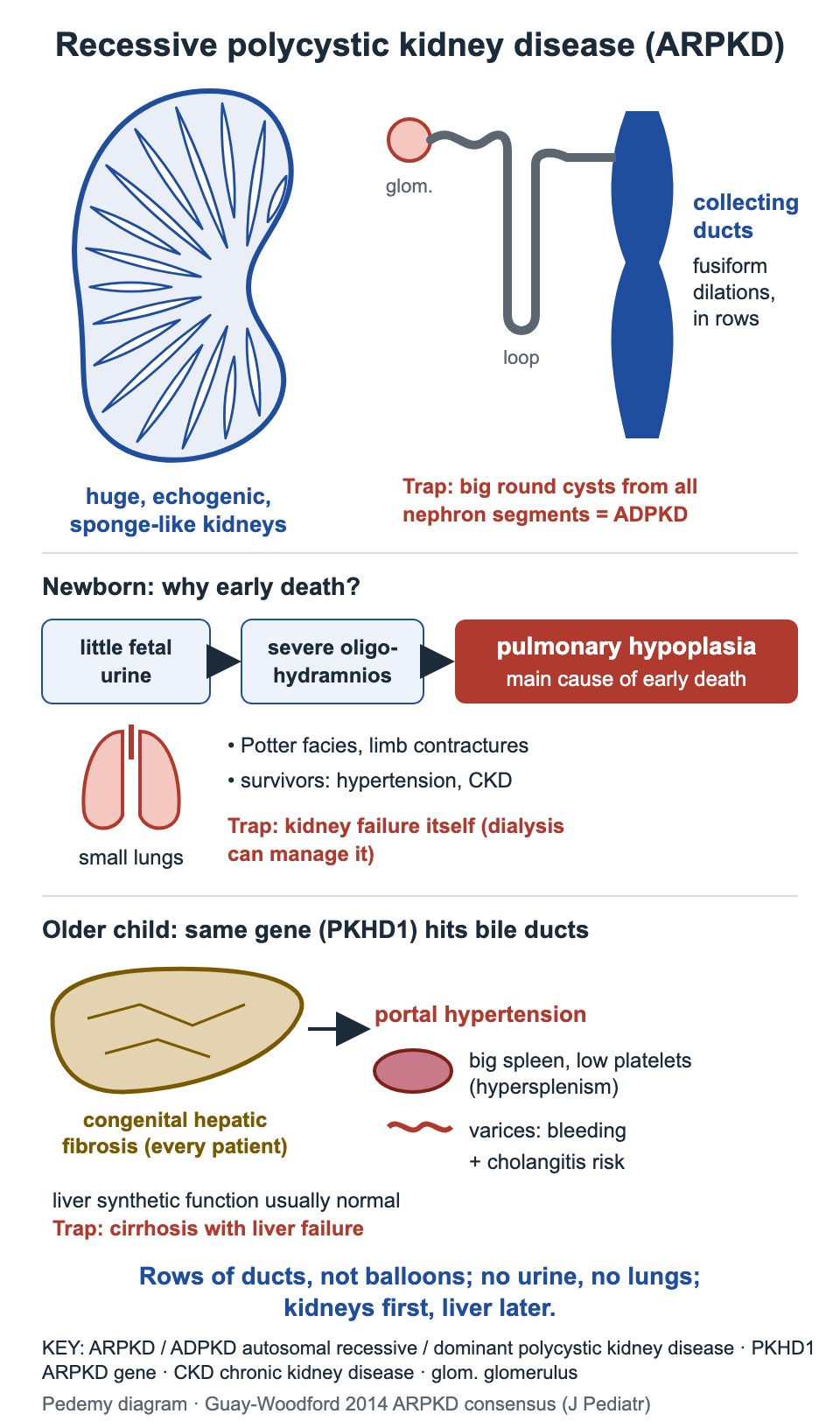
- The cysts are fusiform dilations of the collecting ducts, small and radial, which give huge, echogenic, sponge-like kidneys. ADPKD has large round cysts from all nephron segments.
- The same gene (PKHD1) affects the bile ducts and causes congenital hepatic fibrosis, present in every patient.
- Newborn with severe oligohydramnios: the main cause of early death is pulmonary hypoplasia, with Potter facies and limb contractures. Kidney failure itself can be managed with dialysis. Survivors face hypertension and CKD.
- Older child with a big spleen, low platelets and varices: portal hypertension from congenital hepatic fibrosis, with hypersplenism, variceal bleeding and a risk of cholangitis. It is not cirrhosis with liver failure: synthetic function is usually normal.
Nephronophthisis
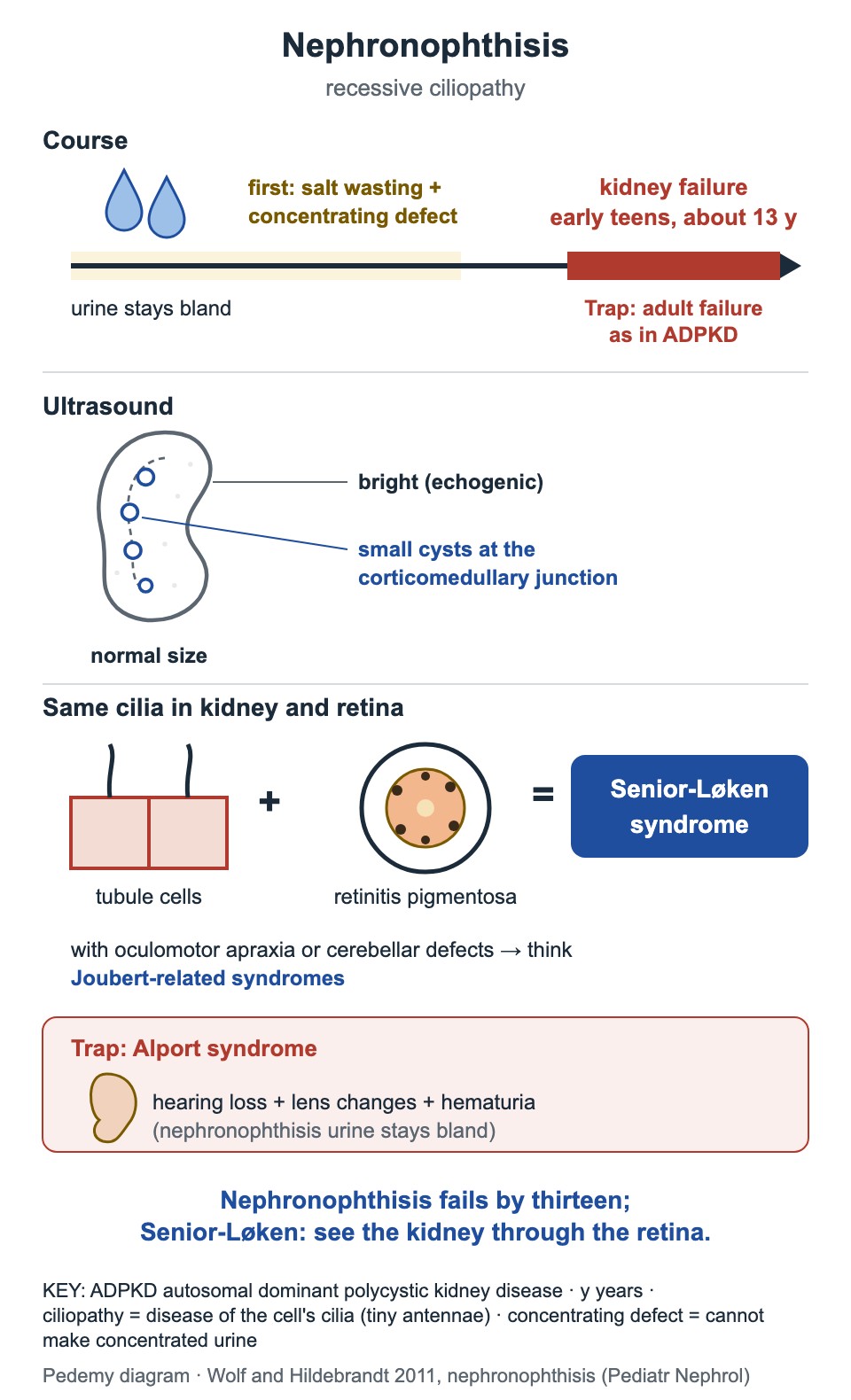
- A recessive ciliopathy. Salt wasting and a urine-concentrating defect come first, with bland urine; kidney failure follows by the early teens (about 13 years), not in adulthood as in ADPKD.
- Ultrasound: normal-size echogenic kidneys with corticomedullary cysts.
- With retinitis pigmentosa it is Senior-Løken syndrome, because cilia work in both the kidney tubule and the retinal photoreceptors. With oculomotor apraxia or cerebellar defects, think of Joubert-related syndromes.
- Alport syndrome is different: hearing loss and lens changes, with hematuria.
Kidney stone work-up
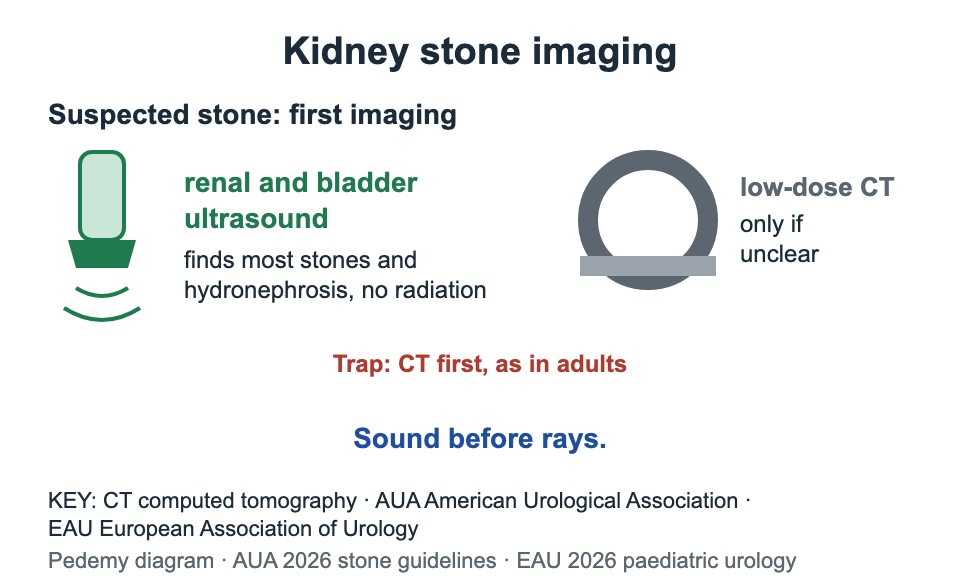
- First imaging test: renal and bladder ultrasound. It finds most pediatric stones and hydronephrosis without radiation; low-dose CT is kept for unclear cases, unlike in adults.
Kidney stone types
- Cystinuria is an autosomal recessive defect of a proximal tubule transporter that loses cystine, ornithine, lysine and arginine (COLA). Cystine is poorly soluble.
- Homocystinuria is a different, metabolic disease with lens dislocation, not stones.
| Stone | Clues |
|---|---|
| Cystine | Teen with recurrent stones, flat hexagonal crystals, positive nitroprusside test |
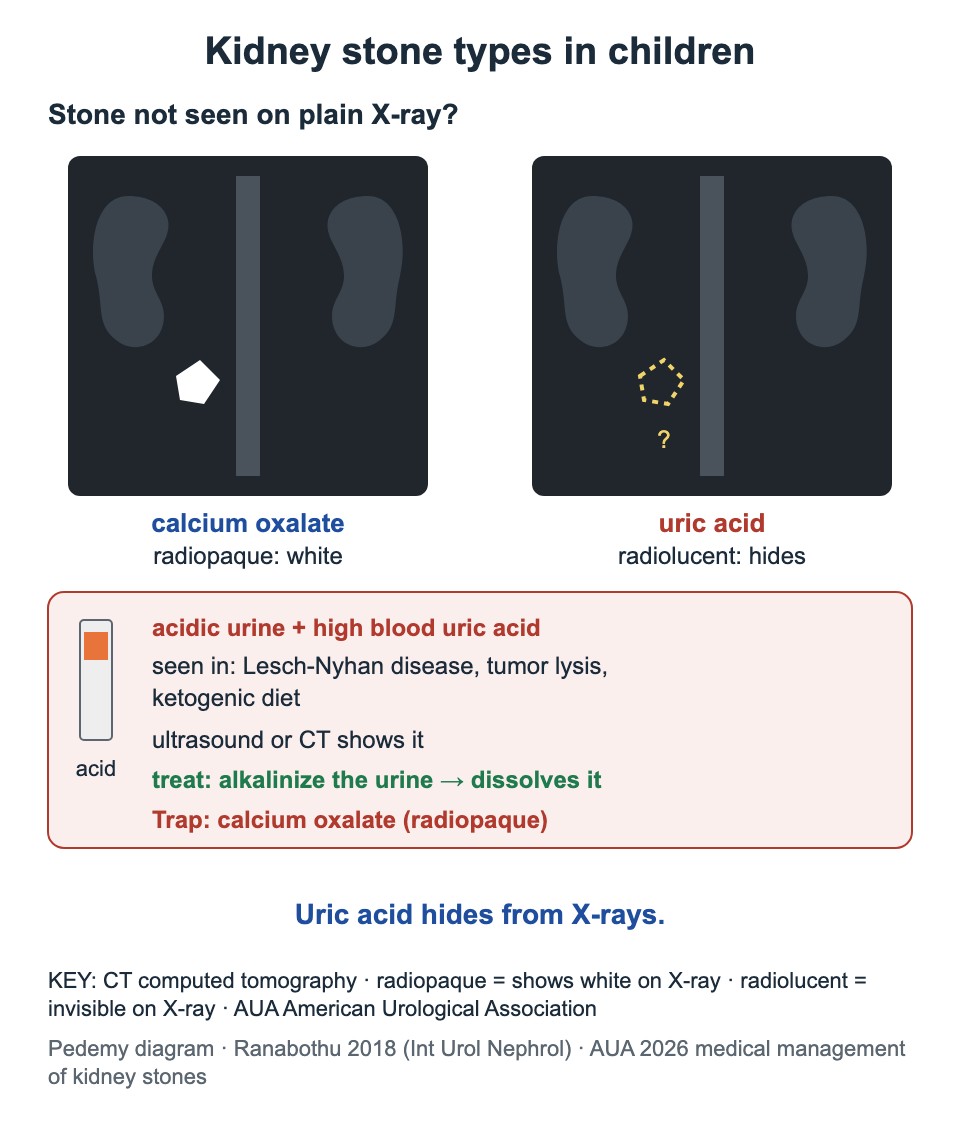
| Uric acid | Invisible on plain X-ray (radiolucent), acidic urine, hyperuricemia; Lesch-Nyhan disease, tumor lysis, ketogenic diet; urine alkalinization dissolves them; ultrasound or CT shows them |
Common questions
How do you estimate GFR in a child?
The bedside Schwartz equation is the quick estimate: eGFR = 0.413 × height (cm) / creatinine (mg/dL). KDIGO 2024 prefers the CKiD U25 equation, which uses an age- and sex-specific constant.
What is the most common cause of CKD in children?
In young children it is congenital anomalies of the kidney and urinary tract (CAKUT): dysplasia, hypoplasia and obstruction such as posterior urethral valves. Glomerular diseases become more common in teens.
How do ADPKD and ARPKD differ?
ADPKD is common, with large round cysts and kidney failure in adulthood; children mostly have hypertension. ARPKD is rare, with collecting duct dilations, huge echogenic kidneys in the newborn, risk of pulmonary hypoplasia and congenital hepatic fibrosis in every patient.
When should live vaccines be given to a child who needs a kidney transplant?
Before transplant, at least 4 weeks before. Live vaccines such as MMR and varicella are not given after transplant.
Study this topic
Sources
- KDIGO 2024 Clinical Practice Guideline for the Evaluation and Management of Chronic Kidney Disease (Kidney Int)
- Schwartz GJ et al. New equations to estimate GFR in children with CKD (J Am Soc Nephrol 2009)
- Pierce CB et al. Age- and sex-dependent equations to estimate GFR in children and young adults (Kidney Int 2021)
- KDIGO 2026 Clinical Practice Guideline for the Management of Anemia in CKD (Kidney Int)
- KDIGO 2017 Clinical Practice Guideline Update for CKD-Mineral and Bone Disorder (Kidney Int Suppl)
- KDIGO 2025 Clinical Practice Guideline for the Evaluation, Management and Treatment of ADPKD (Kidney Int)
- EAU Guidelines on Paediatric Urology: urinary stone disease
Written for Pedemy in our own words from the sources above; checked November 2026. For education only, not medical advice; check doses and local protocols before treating a patient. Pedemy is independent and not affiliated with or endorsed by the organizations cited.