

Key points
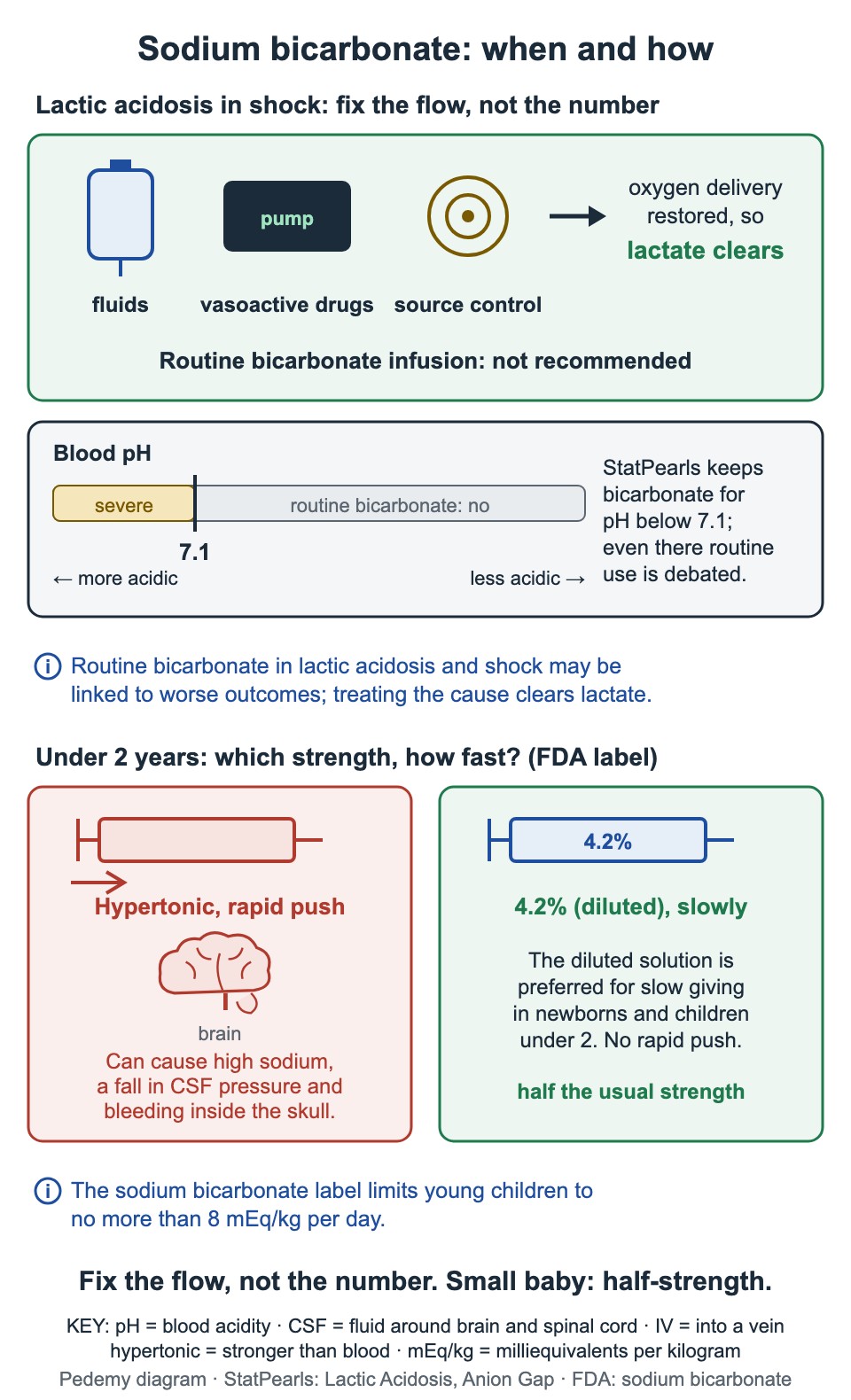
Sodium bicarbonate: when and how
From Pedemy's flashcards. Tap to open full size; explained in “Acidosis: when to give bicarbonate” below.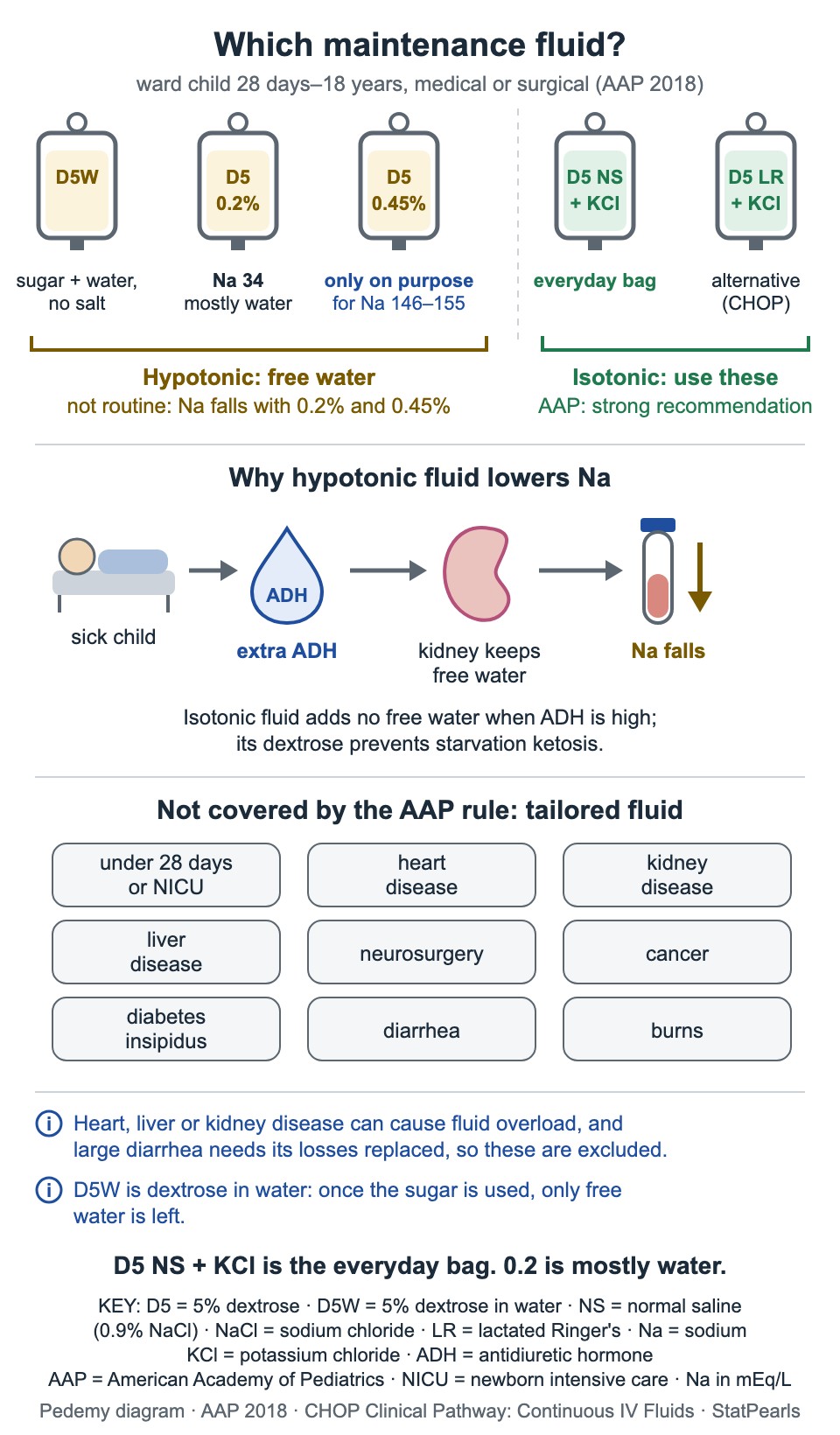
Everyday maintenance bag (28 days–18 years) isotonic fluid with dextrose and KCl, such as D5 0.9% NaCl + KCl; hypotonic bags cause hospital hyponatremia.
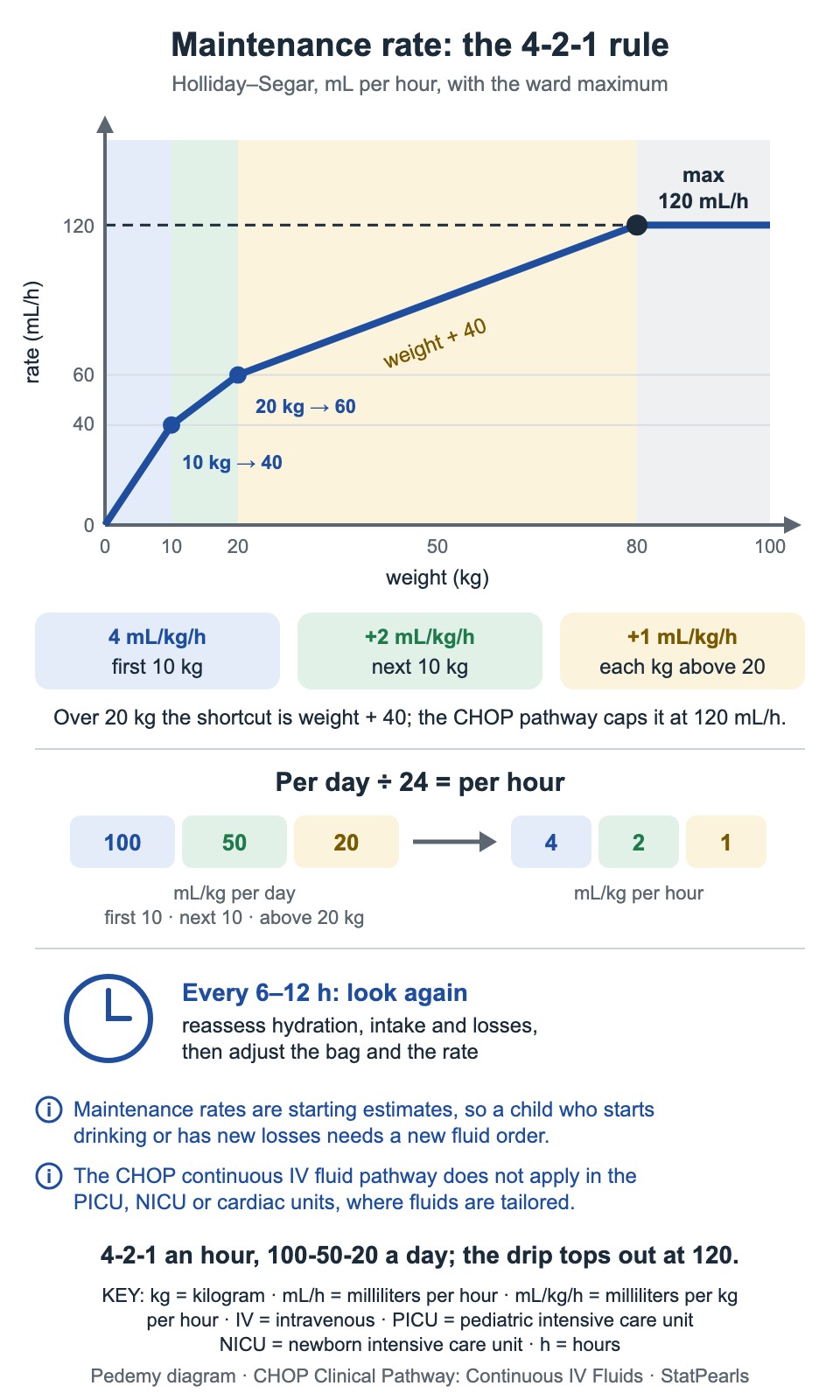
Maintenance rate by 4-2-1 4 mL/kg/h for the first 10 kg, 2 for the next 10 kg, 1 per kg above 20; the CHOP pathway caps it at 120 mL/h.
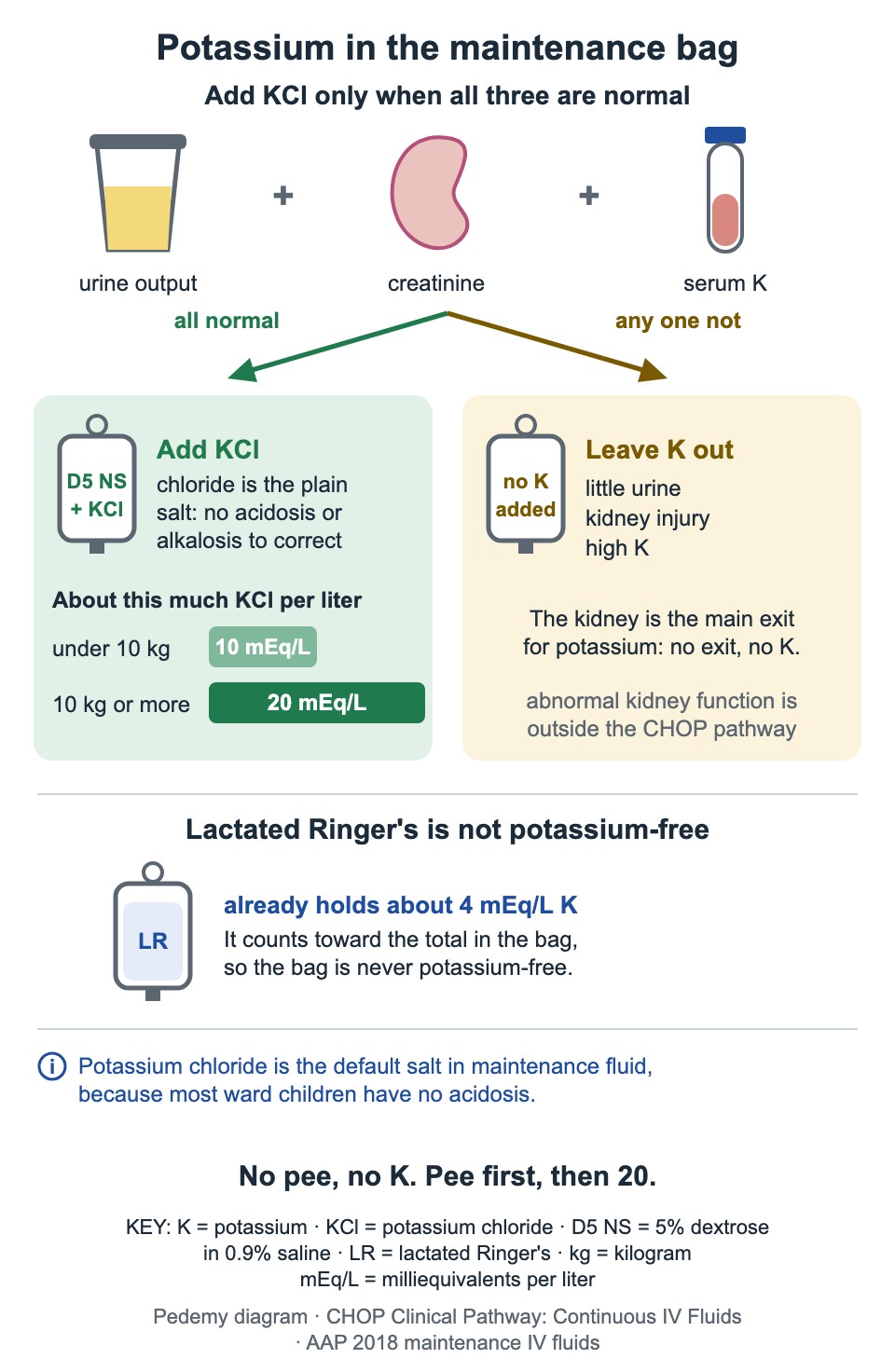
Add KCl only when urine output, creatinine and potassium are normal: about 20 mEq/L from 10 kg, about 10 mEq/L under 10 kg.
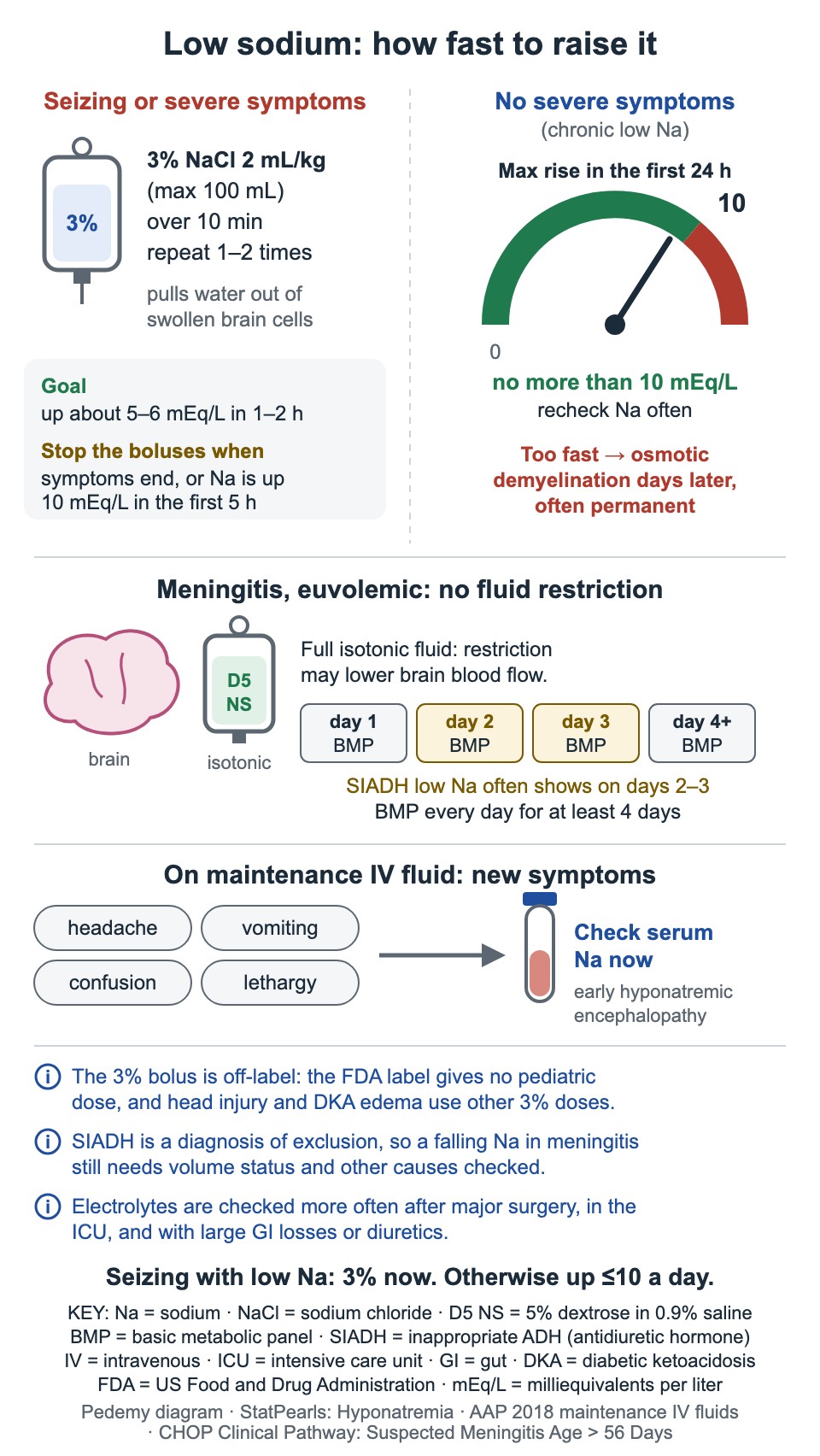
Raise a chronic low sodium by no more than 10 mEq/L in the first 24 hours; lower a high sodium by no more than 12 mEq/L per 24 hours.
Seizing with low sodium 3% NaCl 2 mL/kg (max 100 mL) over 10 minutes, repeated 1–2 times.
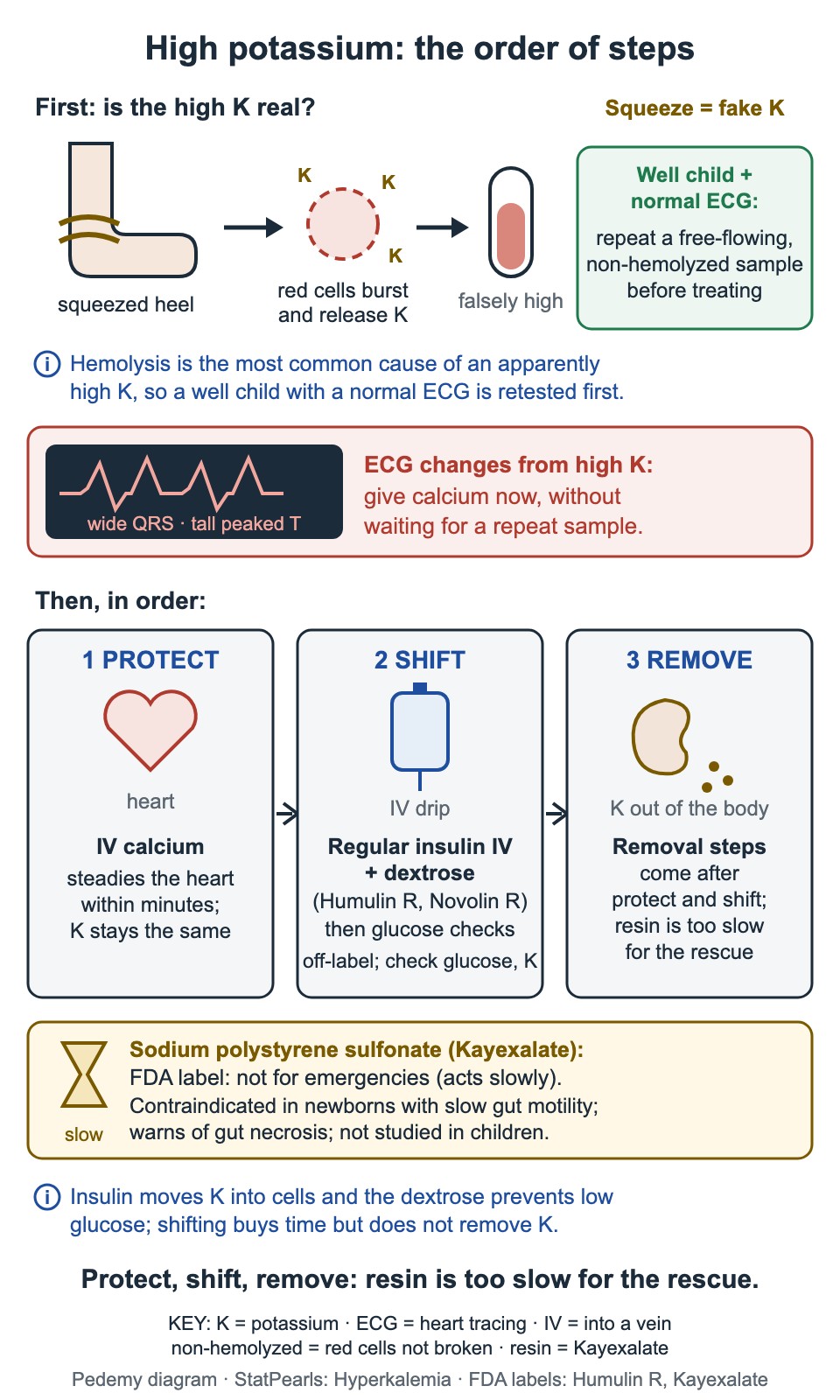
High potassium with ECG changes calcium gluconate first, then IV regular insulin with dextrose, then removal; Kayexalate is too slow for an emergency.
If calcium or potassium will not rise, check and replace magnesium (25–50 mg/kg, max 2 g).
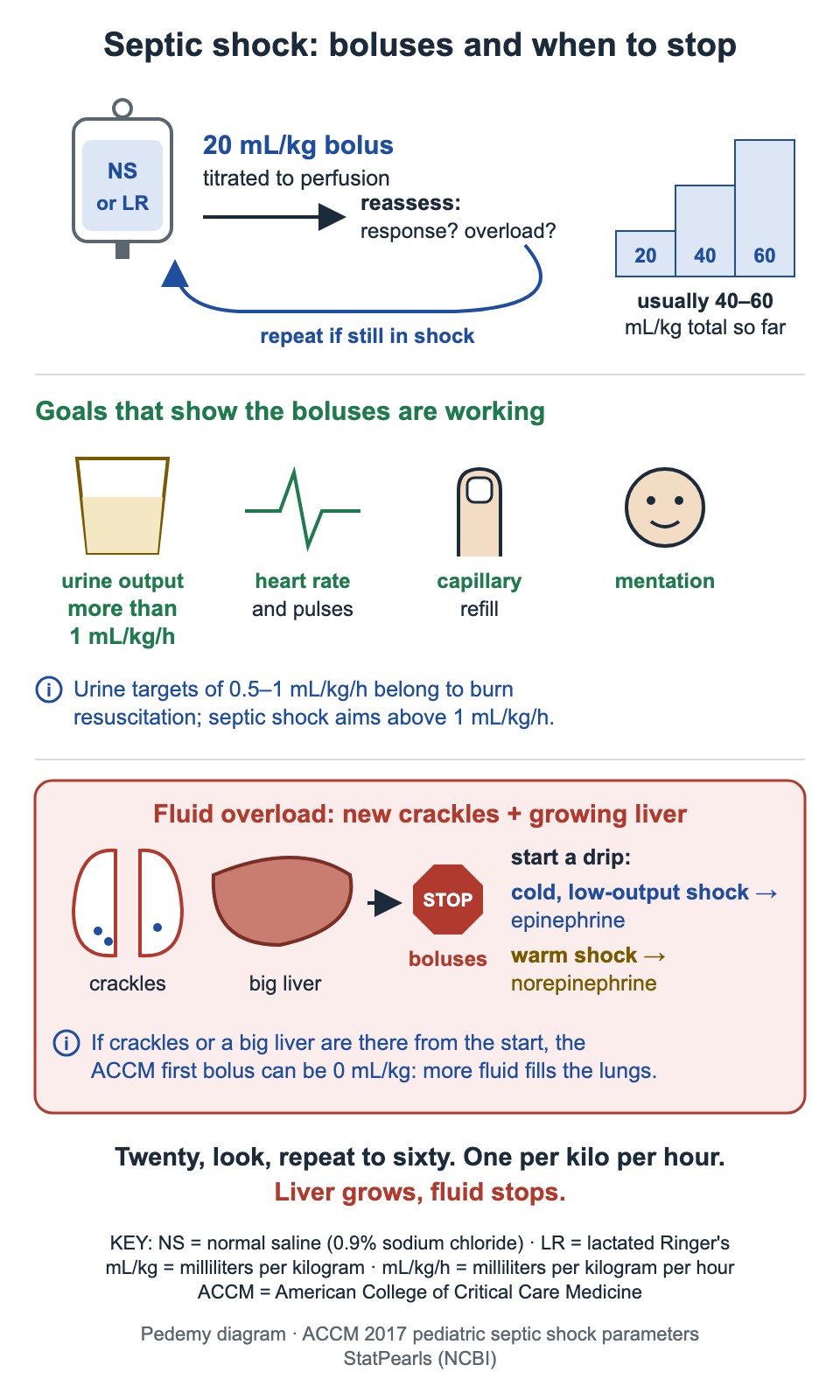
Shock NS or LR 20 mL/kg boluses, reassessed after each; stop when crackles or a growing liver appear.
Acidosis: when to give bicarbonate
High lactate with a high anion gap in sepsis is not treated with a bicarbonate infusion. Routine bicarbonate in lactic acidosis and shock is not recommended and may be linked to worse outcomes. Lactate clears when fluids, vasoactive drugs and source control restore oxygen delivery: fix the flow, not the number.
- The StatPearls review keeps bicarbonate for severe acidosis below pH 7.1, and even there its routine use is debated.
- Infants under 2 years who need IV sodium bicarbonate get the diluted 4.2% solution, given slowly, never as a rapid push.
- The FDA label warns that rapid injection of hypertonic bicarbonate in neonates and children under 2 can cause hypernatremia, a fall in CSF pressure and intracranial hemorrhage.
- The label limits young children to no more than 8 mEq/kg of sodium bicarbonate per day.
- Large volumes of normal saline cause a normal-gap (hyperchloremic) acidosis; see the bolus section.
Calcium and magnesium
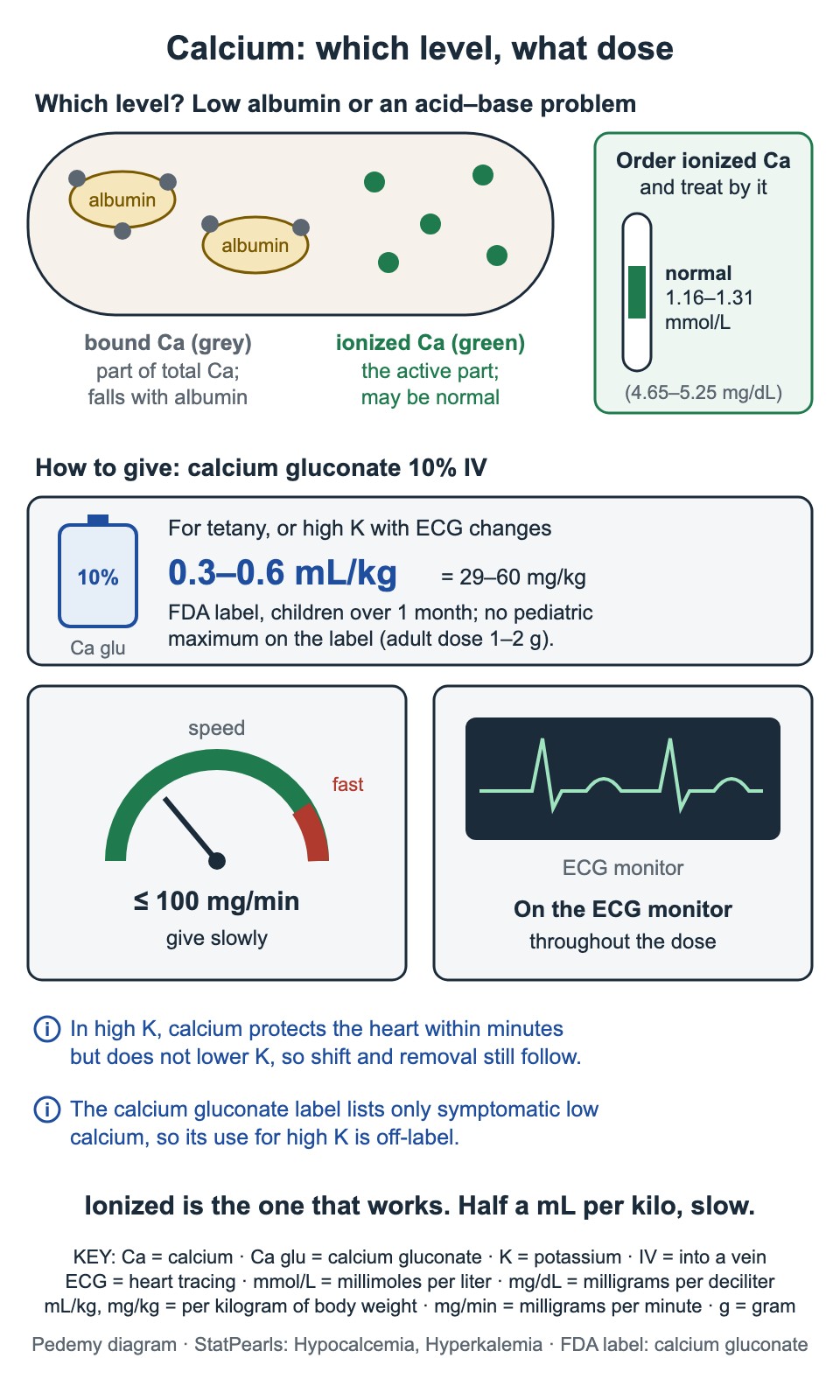
With low albumin or an acid–base problem, order an ionized calcium. Total calcium falls with albumin while the active part may be normal, so treatment follows the ionized value. Normal ionized calcium in the StatPearls review is about 1.16–1.31 mmol/L (4.65–5.25 mg/dL).
- Calcium gluconate 10% for tetany, or for high potassium with ECG changes: 0.3–0.6 mL/kg (29–60 mg/kg on the FDA label for children over 1 month; adult dose 1–2 g), no faster than 100 mg/min, on an ECG monitor. The label gives no pediatric maximum.
- The calcium gluconate label lists only symptomatic hypocalcemia, so its use for hyperkalemia is off-label.
- Ceftriaxone is contraindicated in newborns 28 days or younger who need calcium-containing IV solutions, including PN and lactated Ringer's, because fatal calcium–ceftriaxone deposits formed in lungs and kidneys. The lactated Ringer's label forbids the pair in these newborns even in separate lines.
- Beyond 28 days of age, the labels allow ceftriaxone and calcium one after the other if the line is flushed well between them.
- Calcium forms a precipitate (calcium carbonate or phosphate) with bicarbonate- or phosphate-containing fluids. The calcium gluconate label calls them incompatible: flush between drugs or use separate lines. StatPearls advises that bicarbonate or phosphate solutions never run through a line carrying calcium.
- Calcium in a peripheral IV can cause tissue necrosis and calcinosis cutis, with or without extravasation. Use a good vein, check the site often, and stop the infusion at that site if it happens.
- Calcium chloride gives about three times the elemental calcium of gluconate and is more irritating, so its label asks for a central or deep vein.
- Calcium that stays low despite IV calcium gluconate needs a magnesium level. Magnesium is needed for PTH release, so low magnesium is corrected before or with calcium treatment.
- IV magnesium sulfate for a stable child: 25–50 mg/kg (max 2 g), infused slowly, diluted to 20% or less. The FDA label gives no pediatric IV dose (off-label use) and caps IV injection at 150 mg/min.
- Low magnesium also lowers potassium through kidney potassium loss, so magnesium, potassium and calcium are checked together and rechecked after a dose.
High potassium: real first, then in order
Hemolysis is the most common cause of an apparently high potassium. Squeezing a heel prick breaks red cells, which release potassium. A high result in a well child with a normal ECG is confirmed on a free-flowing, non-hemolyzed sample before aggressive treatment. ECG changes with a high potassium mean calcium is given without waiting for a repeat.
- Protect: IV calcium gluconate protects the heart within minutes but does not lower potassium.
- Shift: regular insulin IV (Humulin R, Novolin R) with dextrose drives potassium into cells; the dextrose prevents low glucose, and glucose is checked afterward. Use for hyperkalemia is off-label, and IV use needs close glucose and potassium checks.
- Remove: shifting buys time but does not take potassium out of the body, so removal steps follow.
- Sodium polystyrene sulfonate (Kayexalate) has no role in the acute emergency: the FDA label says it acts too slowly.
- The Kayexalate label contraindicates it in newborns with reduced gut motility, warns of intestinal necrosis and lists no pediatric study, so use in children is off-label.
Low potassium: which line, which bag
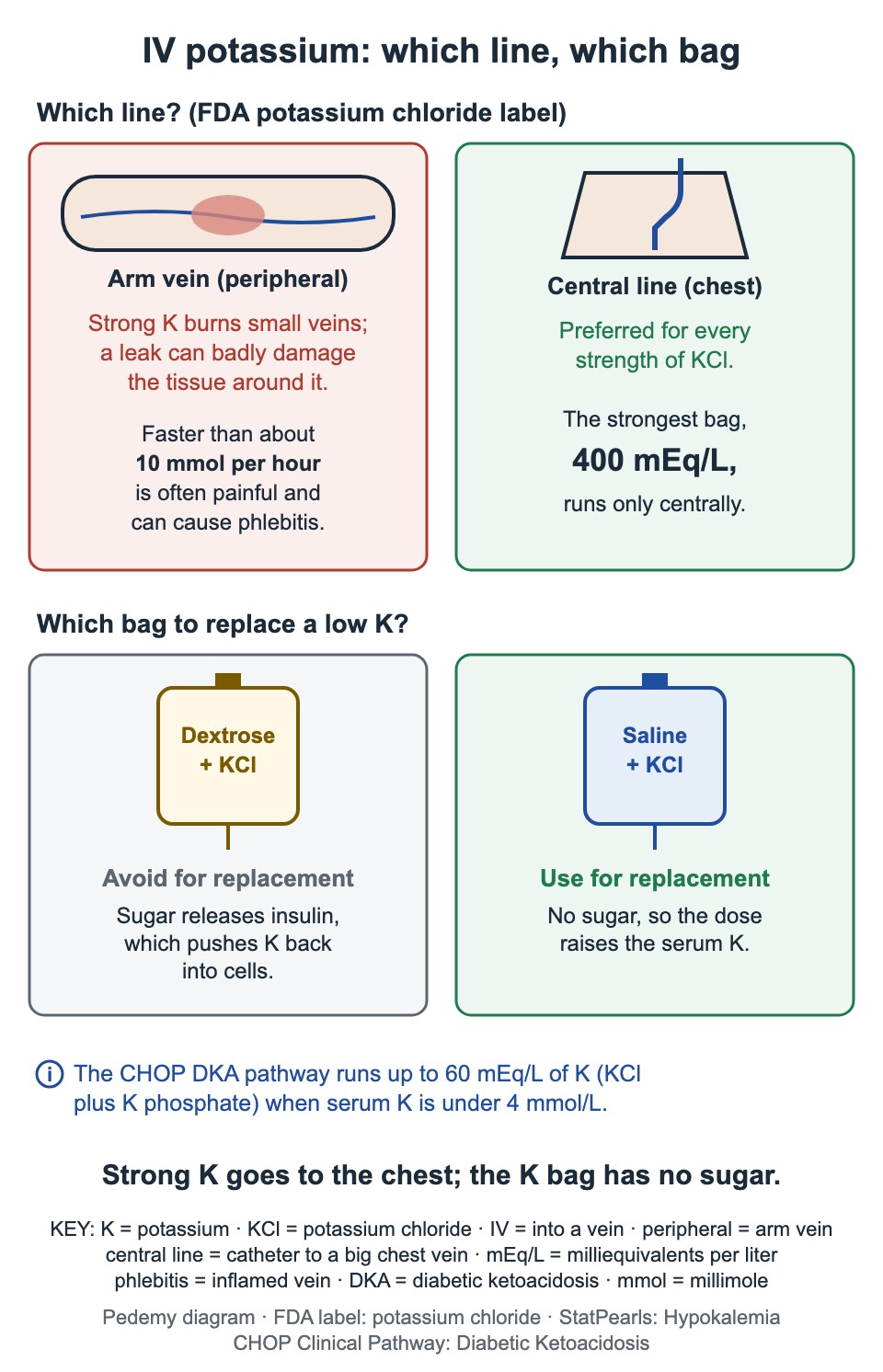
Strong potassium burns small veins, and a leak can badly damage tissue. The FDA potassium chloride label prefers a central line for every concentration and allows the highest (400 mEq/L) only centrally.
- For replacement of low potassium (not the maintenance bag), do not use a dextrose bag: the insulin that dextrose releases moves potassium back into cells. A saline-based bag lets the dose raise the serum level.
- Potassium through a peripheral IV faster than about 10 mmol per hour is often painful and can cause phlebitis.
- For comparison, the CHOP DKA pathway runs up to 60 mEq/L of potassium (KCl plus potassium phosphate) when serum potassium is under 4 mmol/L.
- Low potassium that keeps coming back despite KCl needs a magnesium level: low magnesium makes the kidney waste potassium, so repletion may fail until magnesium is corrected. Replace and recheck both together.
- Add magnesium sulfate when magnesium is low, losses continue, or potassium or calcium will not stay up.
Sodium: how fast to change it
A child on maintenance IV fluid with new nausea, vomiting, headache, confusion or lethargy needs electrolytes now: these can be early hyponatremic encephalopathy. The AAP guideline also advises more frequent electrolyte checks after major surgery, in the ICU, and with large GI losses or diuretics.
- Hypertonic saline pulls water out of swollen brain cells. Head injury and DKA cerebral edema use other 3% doses.
- The FDA 3% sodium chloride label gives no pediatric dose, so the bolus is off-label.
- A fast rise of a chronic low sodium can cause osmotic demyelination days later, because the adapted brain has shed osmoles. The damage is often irreversible.
- In high sodium the brain holds extra osmoles, so a fast fall pulls water in and causes cerebral edema and seizures. Seizures during correction suggest cerebral edema: stop the hypotonic fluid.
- Bacterial meningitis in a euvolemic child: give isotonic fluid (e.g., D5 NS) without restriction, since restriction may lower brain blood flow. SIADH hyponatremia often appears on hospital days 2–3, so check a BMP daily for at least 4 days (CHOP meningitis pathway).
- SIADH is a diagnosis of exclusion: a falling sodium still needs volume status and other causes checked.
| Situation | What to do | Limit and checks |
|---|---|---|
| Low sodium with seizures | 3% NaCl 2 mL/kg (max 100 mL) over 10 min; repeat 1–2 times | Aim for a rise of about 5–6 mEq/L in the first 1–2 hours; stop boluses once symptoms resolve or sodium has risen 10 mEq/L in the first 5 hours |
| Chronic low sodium, no severe symptoms | Slow correction | Rise of no more than 10 mEq/L in the first 24 hours; recheck sodium often |
| High sodium (e.g., hypernatremic dehydration) | Correct the free-water deficit over 48–72 hours; isotonic boluses first if in shock or severely dehydrated | Fall of no more than 12 mEq/L per 24 hours (0.5 or less per hour); sodium every 2–4 hours early on |
Choosing the maintenance bag
The AAP guideline strongly recommends isotonic maintenance fluid with appropriate KCl and dextrose (such as D5 0.9% NaCl + KCl) for medical and surgical children 28 days–18 years, on the ward and in critical care, because it lowers the risk of hyponatremia. Sick children make extra ADH. Sodium near plasma adds no free water, and dextrose prevents starvation ketosis. The CHOP pathway offers D5 lactated Ringer's as an alternative.
- Avoid hypotonic bags such as D5 0.2% NaCl (Na 34) or D5W for a sick child: their free water is kept and dilutes sodium. Hyponatremia occurs with both 0.2% and 0.45% saline.
- D5W is dextrose in water, so once the sugar is used it leaves only free water.
- Adding NaCl to a high sodium would push it higher.
- The AAP guideline excludes children under 28 days or in the NICU, and those with heart, kidney or liver disease, neurosurgical disorders, cancer, diabetes insipidus, large diarrhea or burns. Their fluids are tailored: organ disease can cause fluid overload, and large diarrhea needs loss replacement.
- The CHOP continuous IV fluid pathway does not apply in the PICU, NICU or cardiac units, or to confirmed SIADH, diabetes insipidus, adrenal insufficiency or abnormal kidney function.
| Serum sodium (CHOP pathway) | Bag | Rate |
|---|---|---|
| 135–145 | D5 0.9% NaCl + KCl, or D5 lactated Ringer's | — |
| 146–155 (euvolemic) | D5 0.45% NaCl + KCl; the lower sodium lets a high level drift down | — |
| 125–134 | D5 NS + KCl | About two-thirds maintenance with SIADH risk factors |
| Stays above 155 or below 130 despite the right bag | Look for the cause (SIADH, diabetes insipidus, salt wasting, kidney or adrenal disease) | Ask nephrology |
Potassium in the maintenance bag
The kidney is the main exit for potassium. The CHOP pathway adds potassium only when urine output, creatinine and potassium are all normal. In acute kidney injury with little urine or a high potassium, leave KCl out.
- Amount: about 20 mEq/L of KCl for children 10 kg or more, about 10 mEq/L under 10 kg.
- Hold it in oliguria, kidney injury or high potassium.
- Potassium chloride is the default salt, because most ward children have no acidosis or alkalosis to correct. With normal urine output and a normal potassium, an infant on D5 NS gets KCl.
- Lactated Ringer's already contains about 4 mEq/L of potassium, so it is not a potassium-free bag, and that potassium counts toward the total.
- Newborns: after the first diuresis, D10 alone does not meet daily sodium and potassium needs. The FDA potassium acetate label gives a newborn potassium need of 2–6 mEq/kg/day, above the 2–3 mEq/kg/day it gives for older children. Add potassium only once urine output is established.
Dextrose: low glucose, ketosis and metabolic disease
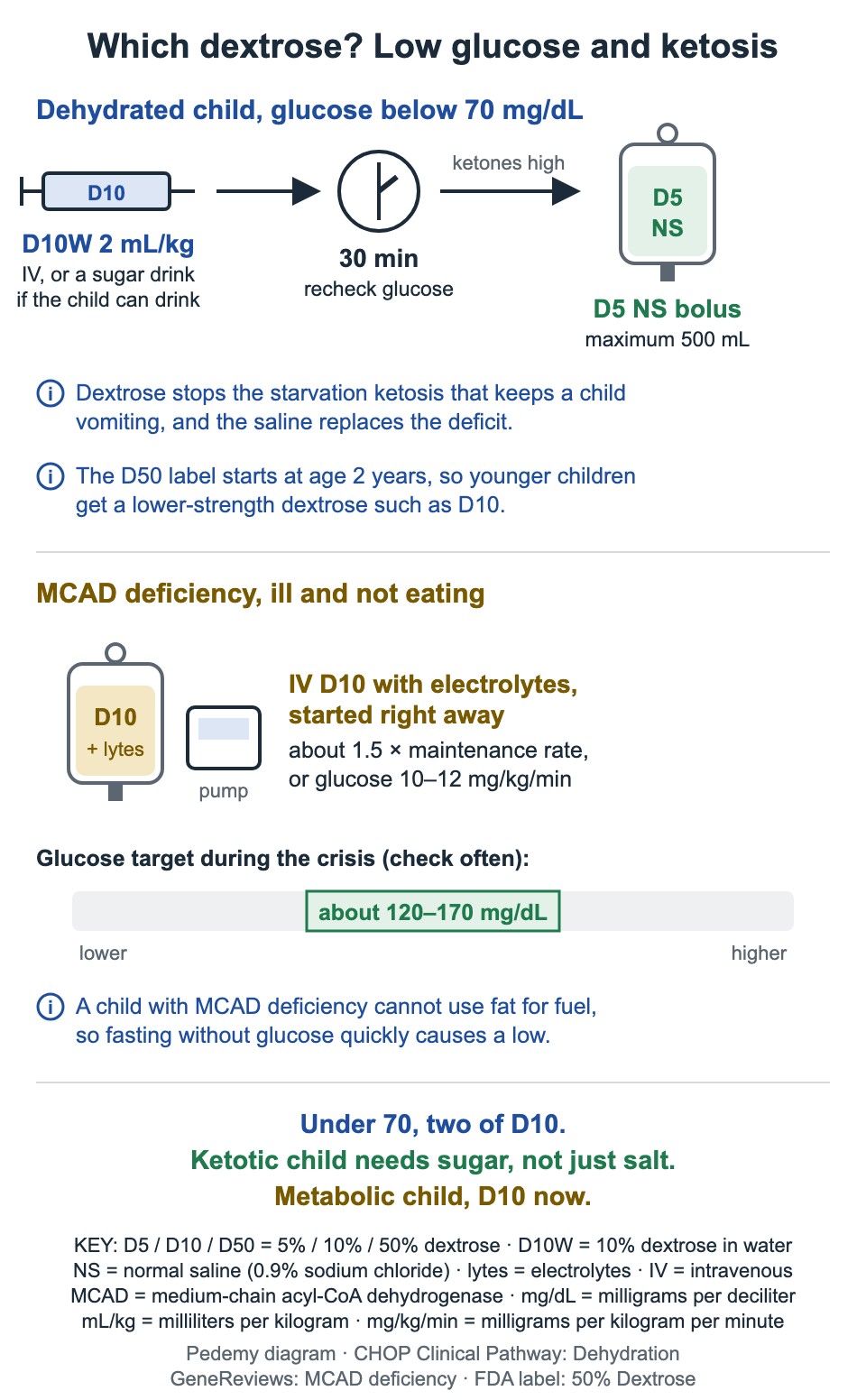
The CHOP dehydration pathway treats glucose below 70 mg/dL with 2 mL/kg of D10W, or a sugar-containing drink if the child can take it, and rechecks glucose 30 minutes later to see whether more is needed.
- The FDA D50 label is limited to children aged 2 years and up, so younger children get a lower strength such as D10.
- Ketotic dehydration, once low glucose has been treated with D10: the next fluid is dextrose with saline (D5 NS). The CHOP pathway offers a D5 NS bolus (maximum 500 mL) to help clear ketones. Dextrose stops the starvation ketosis that keeps a child vomiting; saline replaces the deficit.
- MCAD deficiency, ill and not eating: these children cannot fast and become hypoglycemic. GeneReviews advises IV 10% dextrose with electrolytes right away, at about 1.5 times maintenance or 10–12 mg/kg/min of glucose, with a glucose target of about 120–170 mg/dL checked often.
- Maintenance fluid gets 5% dextrose whenever a child is not taking adequate oral calories, to prevent starvation ketosis.
Refeeding risk: the first 3 days
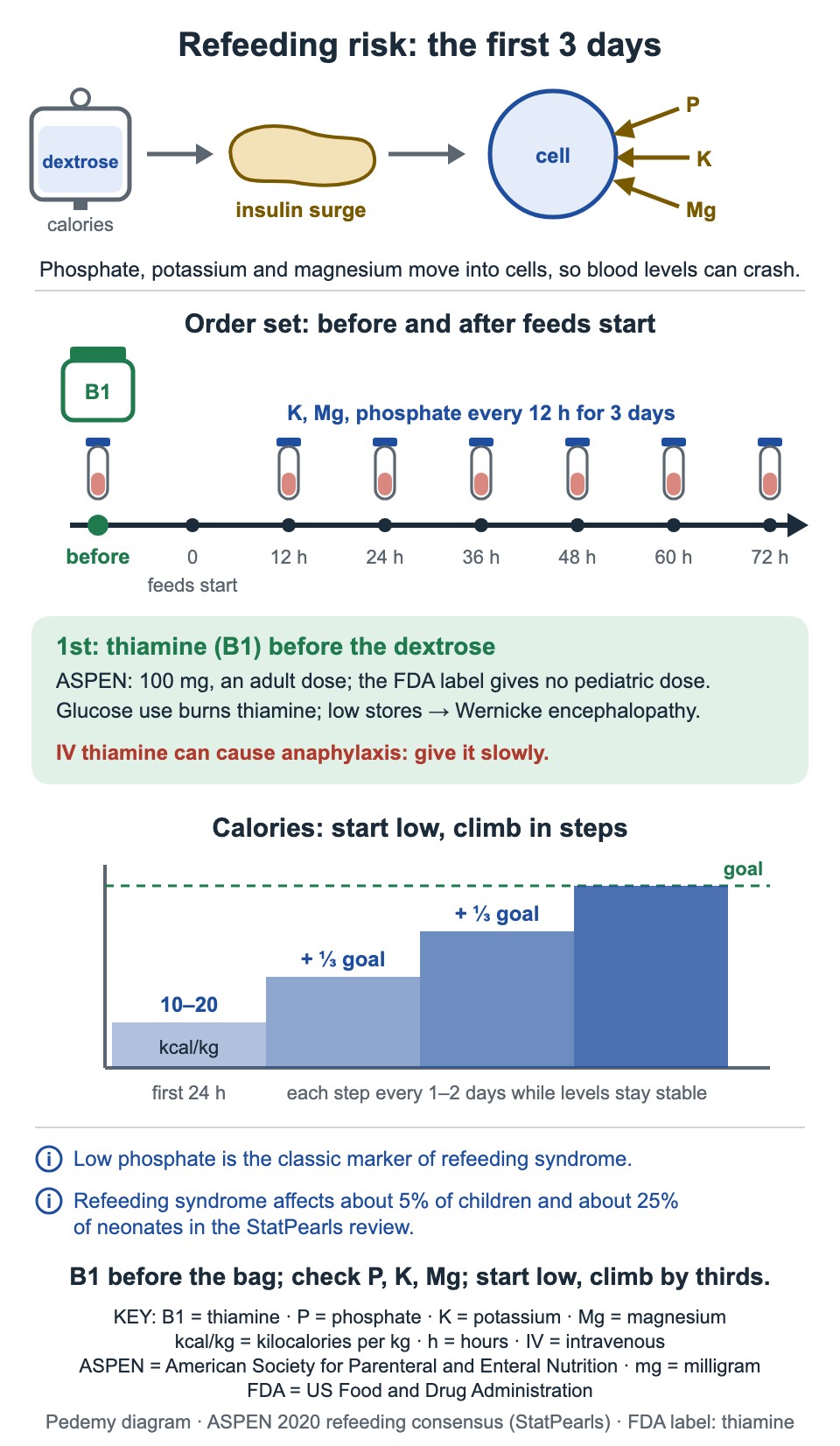
New calories cause an insulin surge that drives phosphate, potassium and magnesium into cells, so levels can crash in the first days. Low phosphate is the classic marker of refeeding syndrome. Refeeding syndrome affects about 5% of children and about 25% of neonates in the StatPearls review.
- Labs: potassium, magnesium and phosphate before feeding, then every 12 hours for the first 3 days in high-risk patients (ASPEN-based guidance).
- Thiamine before the dextrose: glucose use burns thiamine, and low stores can tip into Wernicke encephalopathy. ASPEN gives 100 mg, an adult dose.
- The FDA thiamine label covers people with low thiamine stores who receive IV dextrose, gives no pediatric dose and warns of anaphylaxis after IV doses, so it is given slowly.
- Calories: start at 10–20 kcal/kg in the first 24 hours, then increase by about a third of the goal every 1–2 days while levels stay stable. Starting low limits the insulin surge.
Dehydration, ORS and fluid boluses
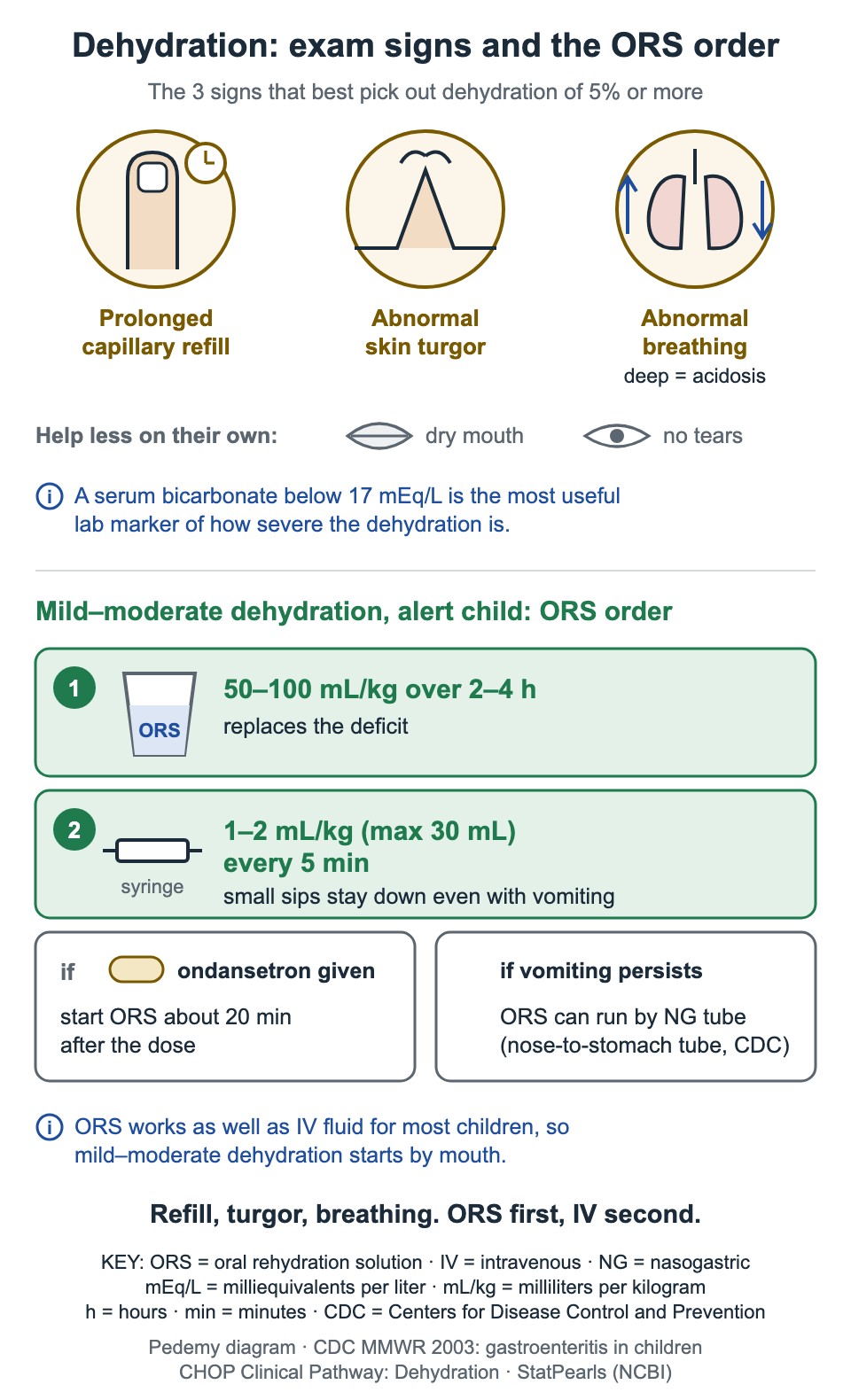
The three bedside signs that best identify dehydration of 5% or more are prolonged capillary refill, abnormal skin turgor and abnormal (deep) breathing, which reflects acidosis. Dry mouth or absent tears alone help less. A serum bicarbonate below 17 mEq/L is the most useful lab marker of severity in the StatPearls review.
- Mild–moderate dehydration in an alert child: ORS 50–100 mL/kg over 2–4 hours, as 1–2 mL/kg (max 30 mL) every 5 minutes. Small, frequent sips stay down even with vomiting.
- Oral rehydration works as well as IV for most children. If ondansetron is given, start ORS about 20 minutes later. The CDC allows ORS by nasogastric tube when vomiting persists.
- Dehydration with shock (cold, mottled hands, prolonged capillary refill, lethargy): NS or LR 20 mL/kg IV/IO bolus, repeated until perfused. Recheck heart rate, pulses, capillary refill, mentation and urine output after each bolus; then replace the deficit and check glucose and sodium.
- Hypotension is a late sign in the CDC guidance; tachycardia and poor perfusion appear earlier.
- The bolus bag is plain NS or LR, with no dextrose and no KCl; hypotonic or dextrose boluses are avoided unless hypoglycemia needs rapid correction. Plain NS has no dextrose, so it is not a maintenance fluid for a child who is not eating.
- For large volumes, balanced LR is increasingly favored over NS: normal saline carries 154 mEq/L chloride and large volumes cause a normal-gap acidosis. Lactated Ringer's also contains potassium and calcium.
Maintenance rate: the 4-2-1 rule
Hourly maintenance by 4-2-1 is the Holliday–Segar daily rule divided by 24. Holliday–Segar gives 100 mL/kg per day for the first 10 kg, 50 for each kg from 10 to 20, and 20 for each kg above. Either way it is a starting rate, reassessed as intake and losses change.
- 4 mL/kg/h for the first 10 kg, plus 2 mL/kg/h for the next 10 kg, plus 1 mL/kg/h for each kg above 20. Above 20 kg the shortcut is weight plus 40.
- Example, 25 kg: 40 + 20 + 5 = 65 mL/h. Holliday–Segar gives 1600 mL per day, about 67 mL/h, so both rules land close together.
- The CHOP pathway caps maintenance at 120 mL/h, so large teens get adult-size volumes and not more, even when 4-2-1 gives a higher rate.
- Reassess hydration, intake and losses every 6–12 hours and adjust the bag and rate at each check. A child who starts drinking or develops new losses needs a new fluid order.
PICU: septic shock and raised ICP
The ACCM septic shock parameters start with 20 mL/kg boluses of normal saline or lactated Ringer's, titrated to perfusion; children usually need 40–60 mL/kg in total. Each bolus is followed by a check for response and for overload.
- Goals: urine output above 1 mL/kg/h, alongside heart rate, pulses, capillary refill and mentation. Targets of 0.5–1 mL/kg/h belong to burn resuscitation, not septic shock.
- New crackles, more work of breathing or a growing liver mean fluid overload: stop the boluses and start epinephrine for cold, low-output shock or norepinephrine for warm shock.
- The initial bolus volume may be 0 mL/kg when crackles or an enlarged liver are already present.
- Severe traumatic brain injury with raised ICP: 3% saline bolus 2–5 mL/kg over 10–20 minutes (Brain Trauma Foundation). A continuous infusion of 0.1–1 mL/kg/h is titrated to the smallest dose that keeps ICP below 20 mmHg.
- These 3% doses are off-label (no pediatric dose on the FDA label), so sodium is monitored closely.
Common questions
What is the standard maintenance IV fluid for a child on the ward?
For children 28 days to 18 years, the AAP guideline recommends isotonic fluid with dextrose and potassium chloride, such as D5 0.9% NaCl with KCl. D5 lactated Ringer's is an alternative on the CHOP pathway. Hypotonic bags such as D5 0.2% NaCl raise the risk of hospital hyponatremia.
How do I calculate the maintenance rate?
Use 4-2-1: 4 mL/kg/h for the first 10 kg, 2 mL/kg/h for the next 10 kg and 1 mL/kg/h for each kg above 20. A 25-kg child gets 65 mL/h. The CHOP pathway caps the rate at 120 mL/h and reassesses every 6–12 hours.
When should I add potassium to the bag?
Only when urine output, creatinine and potassium are normal. Give about 20 mEq/L of KCl from 10 kg and about 10 mEq/L under 10 kg, and leave it out in kidney injury, low urine output or high potassium.
How fast can sodium be corrected?
Raise a chronic low sodium by no more than 10 mEq/L in the first 24 hours, and lower a high sodium by no more than 12 mEq/L per 24 hours (0.5 or less per hour). A seizing child with low sodium gets 3% NaCl 2 mL/kg (max 100 mL) over 10 minutes first.
Why will the potassium or calcium not rise?
Check magnesium. Low magnesium makes the kidney waste potassium and blocks PTH release, so replacement fails until magnesium is corrected with IV magnesium sulfate 25–50 mg/kg (max 2 g), given slowly.
When should I call for help?
Ask nephrology when sodium stays above 155 or below 130 despite the right bag. During shock boluses, new crackles, more work of breathing or a growing liver mean fluid overload: stop the boluses and start epinephrine (cold shock) or norepinephrine (warm shock).
Study this topic
Sources
- AAP Clinical Practice Guideline: Maintenance Intravenous Fluids in Children (Pediatrics 2018)
- CHOP Clinical Pathway: Continuous IV Fluid Administration – Inpatient
- CHOP Clinical Pathway: Dehydration – Emergency Department and Inpatient
- StatPearls (NIH): Pediatric Fluid Management
- StatPearls (NIH): Hyponatremia
- CDC MMWR 2003: Managing Acute Gastroenteritis Among Children
- CHOP Clinical Pathway: Inpatient Management for Bacterial Meningitis
- Brain Trauma Foundation: Guidelines for the Management of Pediatric Severe TBI, 3rd ed. (2019)
Written for Pedemy in our own words from the sources above; checked November 2026. For education only, not medical advice; check doses and local protocols before treating a patient. Pedemy is independent and not affiliated with or endorsed by the organizations cited.